 When receiving a diagnosis of a chronic physical condition, most people focus on the physical and practical impact on their life. What is often missed by both the professionals and the person getting diagnosed is the mental health impact of this process.
Our psychologist Lizzie C. has first hand experience with receiving a diagnosis of a chronic condition, and we sat with her for a chat about her experience and tips.
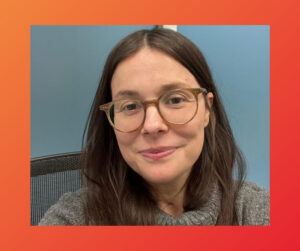 Lizzie is a proud country girl who grew up in the Mallee and now lives in Melbourne with her two happy (aka: spoiled) cats. Her favourite food is mushrooms and her role model is Rihanna. In Lizzie’s words ‘she is just super cool, and we are nothing alike’.
In 2012, Lizzie was diagnosed with a chronic illness. She described this time as ‘going into ‘a panic/survival mode – postponing my postgraduate studies as I tried to prioritise seeing family and thinking about any “bucket list” items. With the advantage of hindsight, I can look back on that scared, recently married young woman and reflect on how far I have come.’
When we asked what she wishes every disabled person knew about mental health she described the importance of “putting your own oxygen mask on” first. For Lizzie, this means a Sunday routine of reading the newspaper (an actual physical copy!), watching Insiders on the ABC and having a really long breakfast.
Lizzie has been working in the mental health sector for six years, with experience in supporting people experiencing depression and anxiety, adjustment issues, psychosocial challenges, suicide ideation, disability and more.
We asked Lizzie about her favourite part about working with people with disability and chronic conditions on their mental wellbeing. She described enjoying getting to know people as individuals – ‘not just what challenges they are facing’. This is one of the things we love about our work – it is about people, not problems or numbers.
Lizzie knows first hand that living well with a chronic condition involves more than medical appointments. We asked what her top three self-care strategies that she uses. Lizzie said ‘Try to keep to a simple routine, spend heaps of time with my cats and husband, and eat a whole-foods, plant-based diet.’
To wrap up our conversation, we asked Lizzie for advice for people who are struggling with their disability, or with a new diagnosis. Here’s what she said: ‘It’s a deeply personal thing but I guess, just take your time with it. When you are ready, perhaps choose one trusted person to share how you’re feeling and ask them to check in with you from time to time.’
This blog post was written by Liel Bridgford and the Kultivate team.
About Kultivate
Kultivate is a psychological practice created by and for people with disability, providing support and education that is lived-experience based and is rooted in disability justice. We believe that every person deserves to live their best life and envision an equitable society where all disabled and multiply marginalised people can thrive. Kultivate’s mission is to engage with disabled people to improve their quality of life and wellbeing through education, peer support and therapy.
Blog courtesy of Kultivate, a Patient Community Day Supporting Partner.