Building a Lasting Legacy for the Global MS Community
Stronger together: A movement built on connection, knowledge, and patient leadership
Since 2022, Patient Community Day (PCD) has grown from a modest beginning into a global legacy initiative uniting thousands of people living with MS, NMOSD, and MOGAD with the scientific community that serves them. What began as an advancement in accessibility and inclusion has become a recognised pillar of ECTRIMS: a bridge connecting cutting-edge research and the lived experiences of the people most affected by neurological diseases.
In 2025, this mission reached a pivotal moment. With 3,537 registered participants (a 34% increase from 2024 and a 264% rise since 2022) and 2,383 attendees, PCD achieved its highest participation in history, extending its reach across 89 countries and every major world region.
This scale is not just a milestone. It is evidence of a growing global demand for trustworthy, understandable, and patient-centred science. And it signals a long-term shift: patients are no longer passive recipients of information; they are partners, leaders, and drivers of research and care.
Advancing Our Mission in 2025
PCD exists to ensure that the people living with MS, NMOSD, and MOGAD are equipped not only with information, but with agency. Our goal in 2025 was to create long-term, system-level impact by:
Empowering patients with accessible, actionable science: From research breakthroughs to emerging therapies, biomarkers, and rehabilitation insights, PCD helps patients understand what new discoveries mean for their daily lives. In 2025, 95% of participants found the programme relevant, while 79% plan to use the information with their healthcare teams — a clear indicator of real-world impact.
Strengthening global partnerships and community infrastructure: Our 2025 network of 40+ Supporting Partners across 17 countries, double the number from 2024, demonstrates the accelerating momentum behind a more unified global patient community. These partners amplify access, drive local engagement, and help ensure that PCD’s legacy extends far beyond the one-day event.
Expanding equity and representation across continents and communities: PCD 2025 welcomed its first Supporting Partner from Africa, broadened faculty representation to 10 countries (up from six in 2024), and delivered AI-powered translation in 50+ languages, ensuring that knowledge not only travels globally, but lands meaningfully in diverse communities.
By the Numbers: A Year of Record-Breaking Growth
PCD 2025 marked the most significant expansion to date. These numbers tell a story of acceleration: more engagement, more inclusion, more global reach, and more investment in patient-centred innovation.
registered
participants

online & onsite
participants
countries
represented
online questions
& comments
supporting
partners
Where We Stand — and Where We’re Headed
Our vision: from annual event to year-round ecosystem
In 2025, PCD moved beyond a once-a-year experience. The launch of the dedicated PCD website and the PCD Advocacy Blog, along with monthly newsletters and multilingual replay libraries, marked the beginning of a year-round resource hub. This evolution reflects a long-term strategic shift…
PCD is no longer just a day. It is an infrastructure. It is a platform for education, collaboration, and community building that will grow in sophistication and scope over the coming years.
Our long-term ambition: shaping the future of patient-centred research
Looking forward, PCD’s commitment is to build a lasting legacy of impact by:
- Continuing to diversify the global patient voice, including underrepresented regions and communities
- Strengthening partnerships to influence research agendas, funding, and policy
- Expanding multilingual access so that geography and language are never barriers to scientific understanding
- Increasing opportunities for patients to shape, participate in, and lead research
- Elevating the lived-experience voice at every stage of scientific exchange
- Scaling digital tools to reach millions more globally
PCD is growing, not only in numbers, but in influence. As science advances faster than ever, our responsibility is clear: to make sure the information we pass onto the MS community is clear, easy to understand, and accessible.
What Participants Told Us — and Why It Matters
Each year, Patient Community Day is shaped by the people who attend it. Their experiences, their priorities, and their feedback help us refine the programme, strengthen our impact, and ensure we continue to meet the needs of the global MS, NMOSD, and MOGAD community. In 2025, more than two hundred participants shared their reflections. Their responses paint a clear and compelling picture of what PCD means to them.
A meaningful, relevant experience
PCD 2025 delivered information that resonated deeply with the community, with 95% of respondents finding the content relevant and valuable.
Participants highlighted the clarity of explanations, the accessibility of research topics, and the balance of scientific and lived-experience perspectives. Many emphasised how rare it is to hear directly from leading researchers in a format designed for patients.
Knowledge that supports real-life decisions
The impact of PCD goes beyond the event itself — it influences conversations in clinics, hospitals, and homes around the world. 79% of respondents said they plan to discuss what they learned at PCD with their healthcare team. For many, PCD provided confidence: confidence to ask new questions, to explore treatment options, or to better understand the evolving research landscape. The programme’s focus on emerging science, biomarkers, rehabilitation, and lifestyle factors proved especially valuable.
A community that wants to stay connected
The momentum doesn’t stop when the livestream ends. 99% of respondents said they intend to or may attend again in 2026. This loyalty reflects a sense of belonging, and a recognition that PCD is a space where patient voices are represented.
It is also a clear message that as our annual Patient Community Day continues to grow, so too will ECTRIMS commitment to providing opportunities for the community to remain connected.
What participants valued most
In open responses, attendees shared what mattered most to them. They highlighted, among other things, clear explanations of complex scientific concepts; up-to-date information on therapies and emerging research; the connections with the lived experience panel and patient stories; and the opportunity to hear global perspectives.
Many described PCD as “inspiring,” “hope-giving,” and “empowering,” emphasising how they felt connected to both science and community. As PCD evolves into a year-round ecosystem, these insights will guide the development of future programmes, resources, and collaborative efforts.
Session Highlights: For Participants
The session reports below capture the highlights and impact of PCD 2025, held on 25 September 2025 in Barcelona Spain.
Each session explored a key part of the MS, NMOSD and MOGAD journey – from new scientific insights to lived experience and patient care, ensuring that people living with MS and related conditions can benefit from the knowledge shared. Read on for key learnings from the day on everything from emerging therapies to rehabilitation, cognition to artificial intelligence, as well as insights from our first PCD people with lived experience panel.
This session explored the latest developments across the patient journey – from diagnosis and emerging therapies to rehabilitation and the role of specialist nurse support.
Panelists:
- Alvaro Cobo Calvo, Neurologist, Vall Hebron Institut de Recerca, Spain
- Amy Perrin Ross, MS Nurse, Loyola University Medical Center, USA
- Bruno Stankoff, Neurologist, ECTRIMS President, France
- Gabriel Bsteh, Neurologist, ECTRIMS Committee Member, Austria
- Joelle Massouh, MS Nurse, Harley Street Medical Center, United Arab Emirates
- Roshan Das Nair, Researcher, University of Nottingham, UK
- Sudarshini Ramanathan, Neurologist, Concord Hospital, Australia
Key Highlights
- Early diagnosis and monitoring remain critical to improving outcomes.
- Advances in therapies are improving quality of life and care delivery.
- Specialist nurse support was recognised as central to patient wellbeing.
- Rehabilitation continues to be a vital part of ongoing management.
Session Overview
- Diagnosis
- Emerging Therapies
- Specialist Nurse Support
- Rehabilitation
The Lived Experience Panel invited people from around the globe to share their personal stories and highlight the ways in which they are actively shaping research.
PCD moderator Brett Drummond said: “Our mission goes beyond communicating information. It is about facilitating a two-way dialogue between researchers and patients, and putting the people who live with these conditions at the very centre of that conversation.
“Because when we all work together, we progress faster to better outcomes.”
Whether through patient advocacy, working with national and international organisations, taking part in registries and clinical studies, or amplifying underrepresented voices, each speaker demonstrated the crucial role of patients in the research process.
More than personal stories, these were powerful calls for partnership, inclusion, and equity in research and care.
Here’s what they had to say.
PCD 2025 “hot topics” are defined as the topics that matter most to people living with MS and related conditions – from everyday challenges such as cognition, to breakthroughs in biomarkers, genetics, and artificial intelligence.
Panellists:
- Ali Manouchehrinia, Researcher, University of Manitoba, Canada
- Daniel Ontaneda, Neurologist, Cleveland Clinic, USA
- Jeannette Lechner-Scott, Researcher, University of Newcastle, Australia
- Liliana Patrucco, Neurologist, Centro de Esclerosis Múltiple de Buenos Aires (CEMBA), Argentina
- Mitzi Joi Williams, Neurologist, Joi Life Wellness Group, USA
- Olga Ciccarelli, Researcher, ECTRIMS Vice-President, UK
- Xavier Montalban, Neurologist, Multiple Sclerosis Centre of Catalonia (Cemcat), Spain
Cognition
The majority of people living with MS and related conditions will experience cognitive issues at some point in their patient journey. Cognitive problems include difficulty paying attention, planning, switching between tasks, finding the right word when speaking and memory problems. This can have a huge impact on a person’s employment, social life, and everyday activities.
At this year’s ECTRIMS congress, cognition was the focus of the keynote lecture.
Ask the Expert online session offers global connectivity
PCD 2025 included an Ask the Expert segment to give remote participants around the world more time to pose questions directly to experts neurologists Alan Thompson, Mar Tintoré and Romain Marignier.
It was an open exchange of ideas that captured the heart of PCD: connection, learning, and hope. Topics covered included diet and the microbiome in MS, the impact of perimenopause on MS. ageing and MS, and the impact of co-morbidities.
Find out what our panel had to say.
“This year, we set out to ensure that every person living with these conditions — no matter where they live — could access the insights shared at Patient Community Day. Our Supporting Partners were essential in achieving that. Their collective effort demonstrates the power of shared purpose: when organisations come together across borders, we move closer to equitable access to science and care.”
Bruno Stankoff
ECTRIMS President | 2024-2026
A Global Community of Supporting Partners
More than 40 Supporting Partners from 17 countries helped amplify the global reach and impact of PCD 2025. MS and related neurological conditions are global diseases, so PCD needs to have global representation. Together with National MS Societies and global patient advocacy groups, the Supporting Partner network includes NMOSD and MOGAD communities and educational networks, resulting in greater alignment of content with the needs and priorities of patients worldwide.
Since PCD first launched in 2022, the number of Supporting Partners has doubled, showing that when we all work together, we generate the best outcomes for people living with MS, NMOSD, and MOGAD. During PCD 2025, we had the opportunity to sit down with several key Supporting Partners and learn more about the work they are doing directly in their communities.
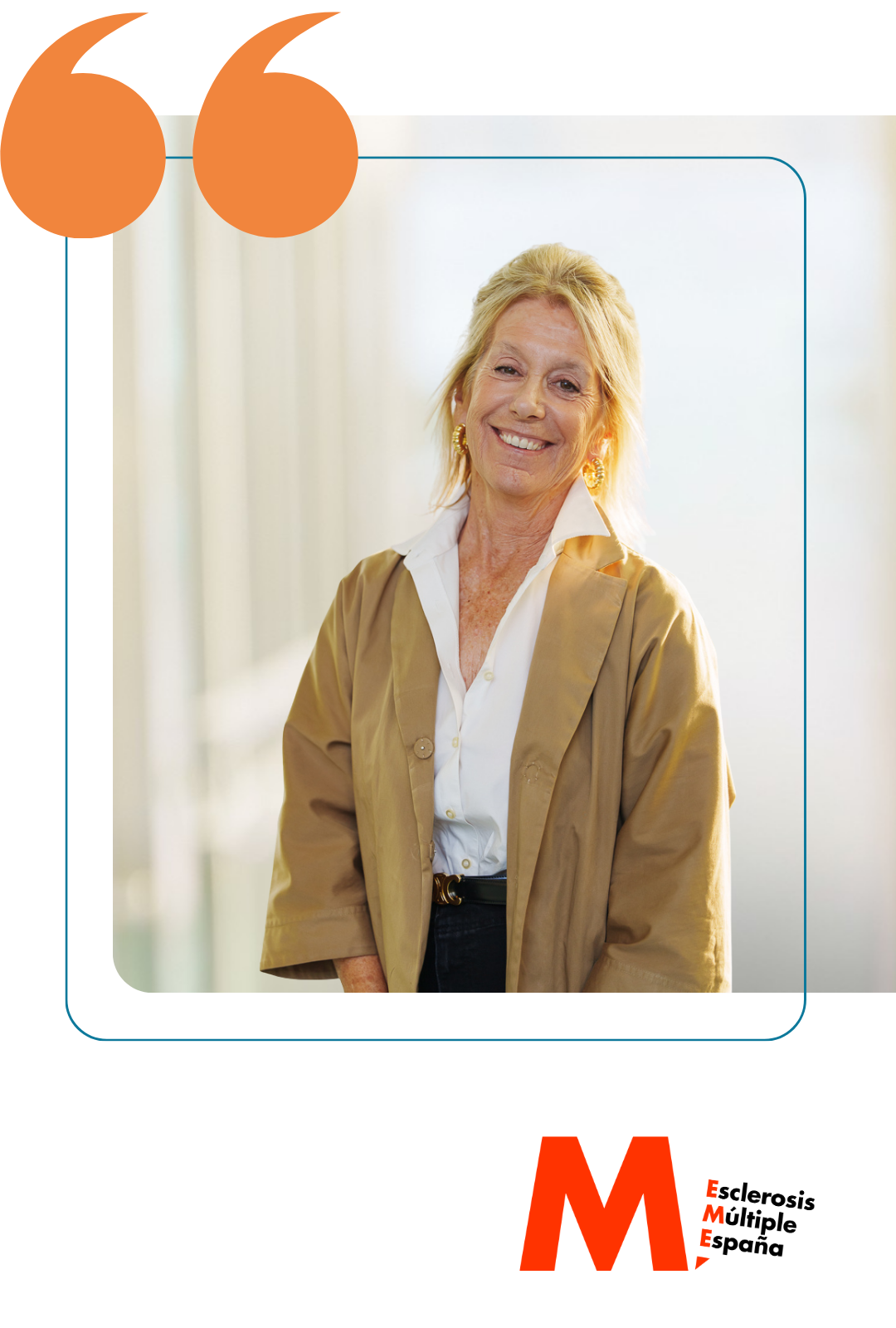
MS Spain launches inclusive workplaces as “extraordinary legacy” of PCD 2025
Multiple Sclerosis Spain, host organisation of PCD 2025, used the event to announce a new “pioneering project” aimed at raising awareness of and supporting Catalan companies to recruit and employ people living with MS.
Ana Torredemer, President at MS Spain, an umbrella organisation for almost 40 MS societies across the country, said: “More than 55,000 people live with MS in Spain. Although great progress has been made in treatments that allow them to enjoy a better quality of life and remain active in the workforce for longer, stigma and the lack of awareness about their professional capabilities persist.
“As a result, only 56% of people with MS are employed: a rate lower than both the global average and the general population.” The initiative, a collaboration between the Multiple Sclerosis Foundation of Catalonia, FEM Barcelona Activa, and the Barcelona Convention Bureau, will consist of an online training programme. It will “inform and disperse myths” about MS, provide tools to improve diversity management, and promote inclusive and competitive work environments.
“Barcelona has a proud tradition of being a hub of science, culture, and inclusion,” said Ana. “We hope that the legacy of this event will extend beyond these walls, leaving a lasting mark on the city and, more importantly, on the lives of those affected by multiple sclerosis.”
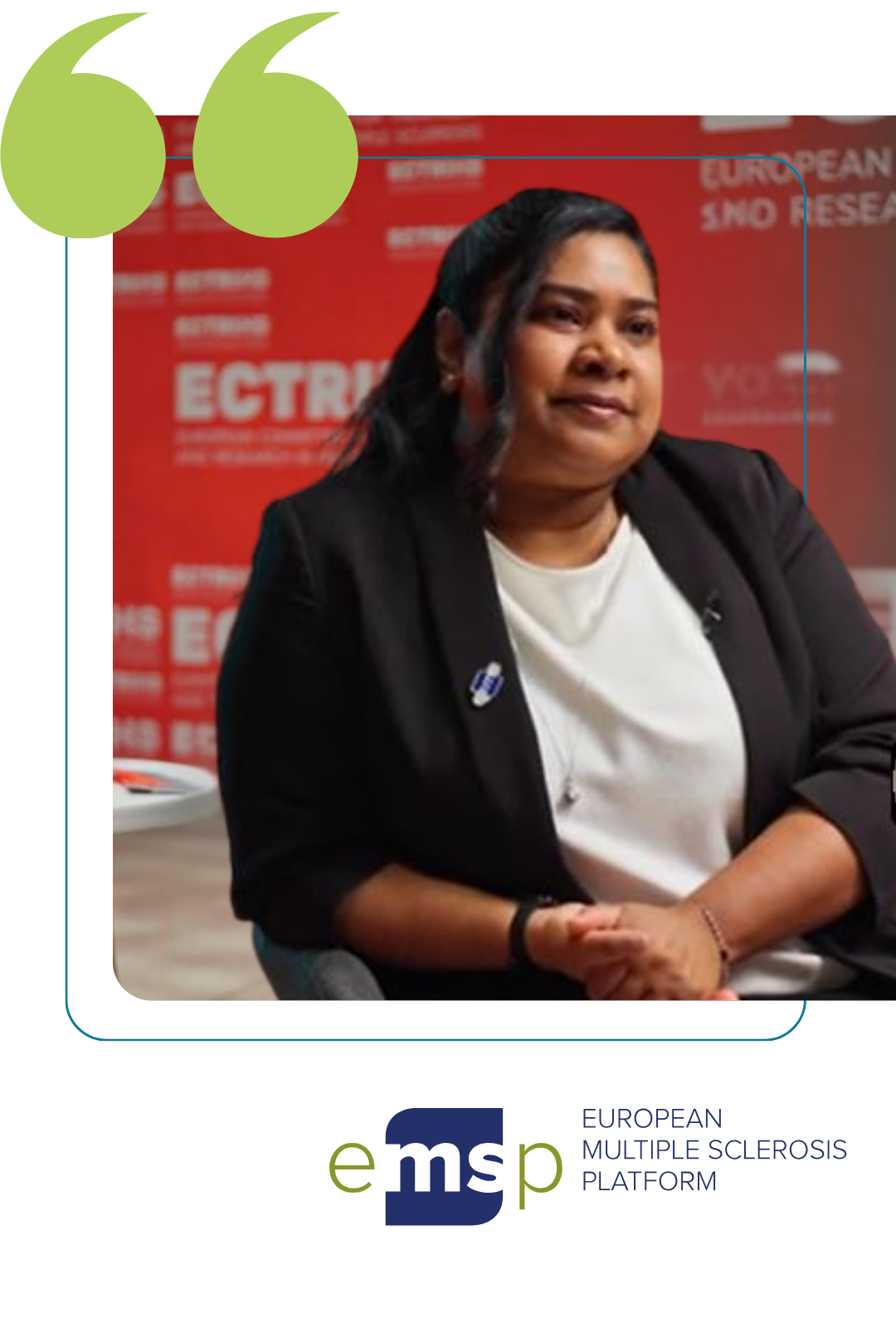
EMSP: Supporting Partners pushing to advance care for everyone
People living with neurological conditions like MS don’t just want education – they want to be an active part of improving care. It is why events such as the Patient Community Day are so important, said Elisabeth Kasilingam, CEO of the European Multiple Sclerosis Platform (EMSP).
“PCD helps us collaborate better with researchers and medical professionals,” she said. The aim, she went on, is to translate the science in a way that empowers people to be part of the process of driving care forward, whether that involves developing treatments, guidelines, or reimbursement policies.
“If we can all stand together in front of the decision makers, and tell them the change we need, we will have a bigger impact,” she said. “Patients and patient groups need to be prepared; they need to have the knowledge.”
One of the main objectives of PCD is to bring researchers and patients together in one place. “More and more patients are involved in research,” said Elisabeth, adding that PCD acts as “a connector”.
As the initiative continues to grow, and more patient groups get involved, “the better we will be able to push together” to advance treatment and care, she explained.
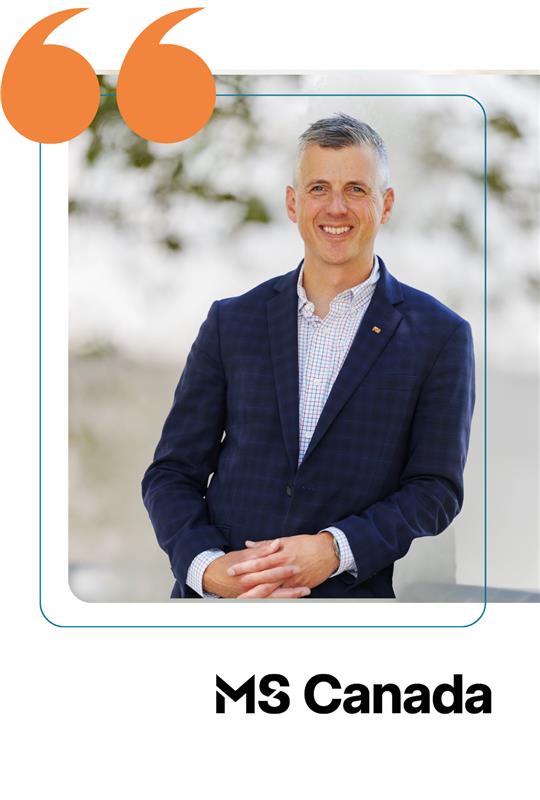
MS Canada: The closer patients are to research, the better
Benjamin Davis, Senior Vice President of Mission at MS Canada, believes that bridging the gap between patients and researchers is essential. “The closer patients are to research, the better it is for driving the next discoveries. Having patients provide input on their experiences, and on the gaps and opportunities, is a really crucial part of the entire process,” he said.
Founded in 1948, MS Canada is dedicated to promoting research and providing education to people with MS and their families and caregivers. Enhancing quality of life is an integral part of its mission. And being a PCD supporting partner is part of that. “The energy (at the event) is really positive,” said Benjamin. “I think people enjoy being together and learning from one another. The opportunity to hear about research, breakthroughs, and treatments isinspiring, and it empowers people.”
Next year, PCD 2026 will be held on 23 October 2026 in Toronto, Canada, where ECTRIMS is holding its tri-annual joint meeting with its North American counterpart, ACTRIMS. “It’s going to be a wonderful opportunity for those living with MS to come together, to learn about the research, to learn about each other’s journeys, and to understand the advocacy opportunities.
“They do that by really sharing stories and bringing different perspectives together. Everyone has a different experience. Sharing the highs, the lows, and everything in between can be really empowering,” said Benjamin.
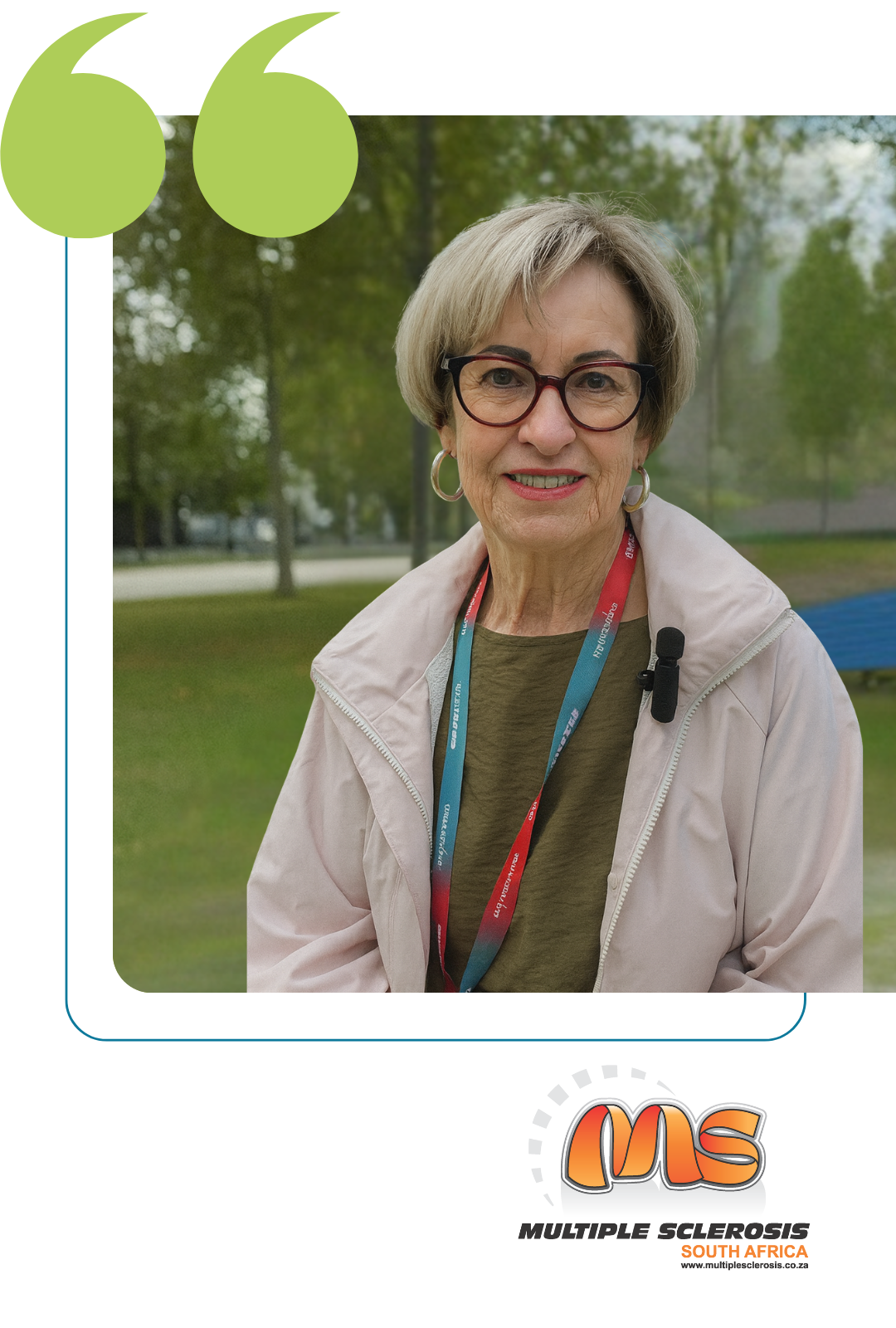
‘A Huge Honour:’ MS South Africa joins PCD as first African partner
Organisers were thrilled to welcome the first supporting partner from the African continent, MS South Africa, in 2025.
Non Smit, CEO at the advocacy group MS South Africa, said she hopes that being part of the global PCD community will help raise the profile of MS back home, and that this will translate to improvements in education and care.
“In South Africa, we have a very fragmented health system. Around 80% of people do not have access to diagnostics and treatment, and they are suffering,” she explained. “We need to be recognised and to be seen. We need epidemiology studies, we need to find the people with MS, and we need to advocate for access and treatment.
“New diagnostics, new guidelines, new ways of interacting, artificial intelligence. All of this is so relevant to what people want to know, so that they can make decisions,” she said, adding that it also helps people to have informed conversations with their healthcare teams.
Voices from Patient Community Day
The impact of Patient Community Day is best understood through the people who were there – those living with MS, NMOSD and MOGAD, their families, advocates, nurses, and researchers. Throughout the day, participants and panellists shared what the event meant to them.
This carousel brings together a selection of their words – swipe to hear their perspectives and see how PCD is shaping their experiences, decisions, and hopes for the future.

“This year, PCD had a patient insight session for the first time, which I absolutely loved. Our voice also needs to be heard. Patients love to hear from other patients. And for the neurologists and other clinicians in the room, it's important they hear those insights. When they go back to their hospitals and offices, they can think about different things they have heard, and how they can use that to build better services and research.”
“It has been really interesting. I have met different people who work in research. And because there are lots of people from lots of different countries, we can understand lots of different points of view. It lets us know the steps in the research process, and what we can do, as patients, so we can stop waiting and be an actor in the disease.”
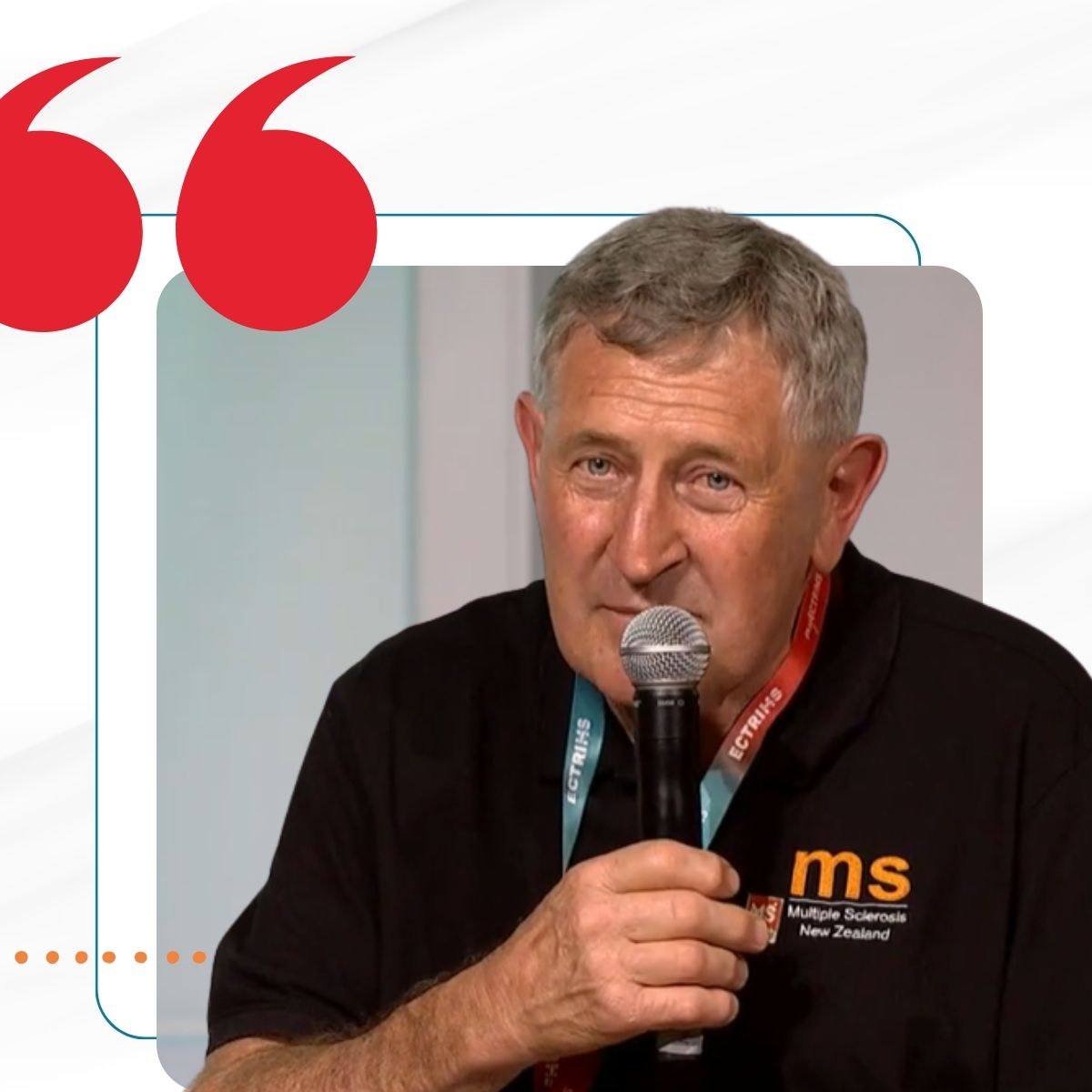
“Patient Community Day is important because we all have experience of MS, and we do not want anyone else to get it. So we need to help the researchers. Also, I have learnt a whole lot of strategies and skills to ameliorate the issues, and I want to pass those on. As people with MS we have a huge skillset, and there is a lot we can give back.”
“Why did I get involved? Because anything I can do to help other people with MS, I will do. So when I heard they needed someone to sit on the People with Lived Experience Panel, I said yes straight away.”
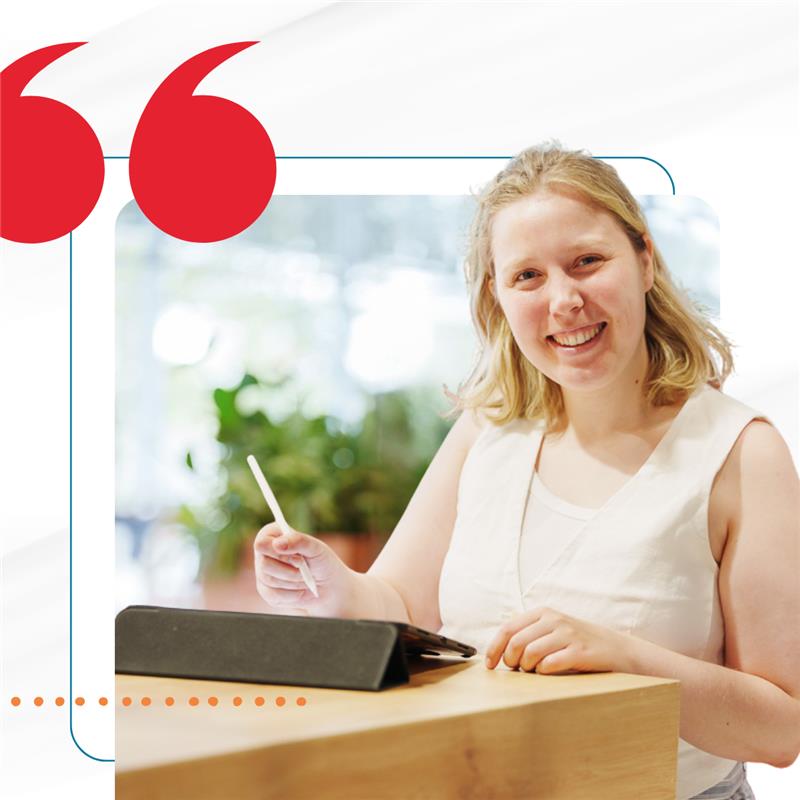
“You need to find a healthcare professional who will work with you against the problem. But the problem is not MS. The problem is access to diagnosing tests, access to therapies, access to clinical trials.”
“I think sometimes people forget the person they were before MS – but they are still the same person. What I really hope for Patient Community Day is that it sparks something. I hope that information, paired with empowerment, hope, and positive stories, empowers people to change their mindset.”
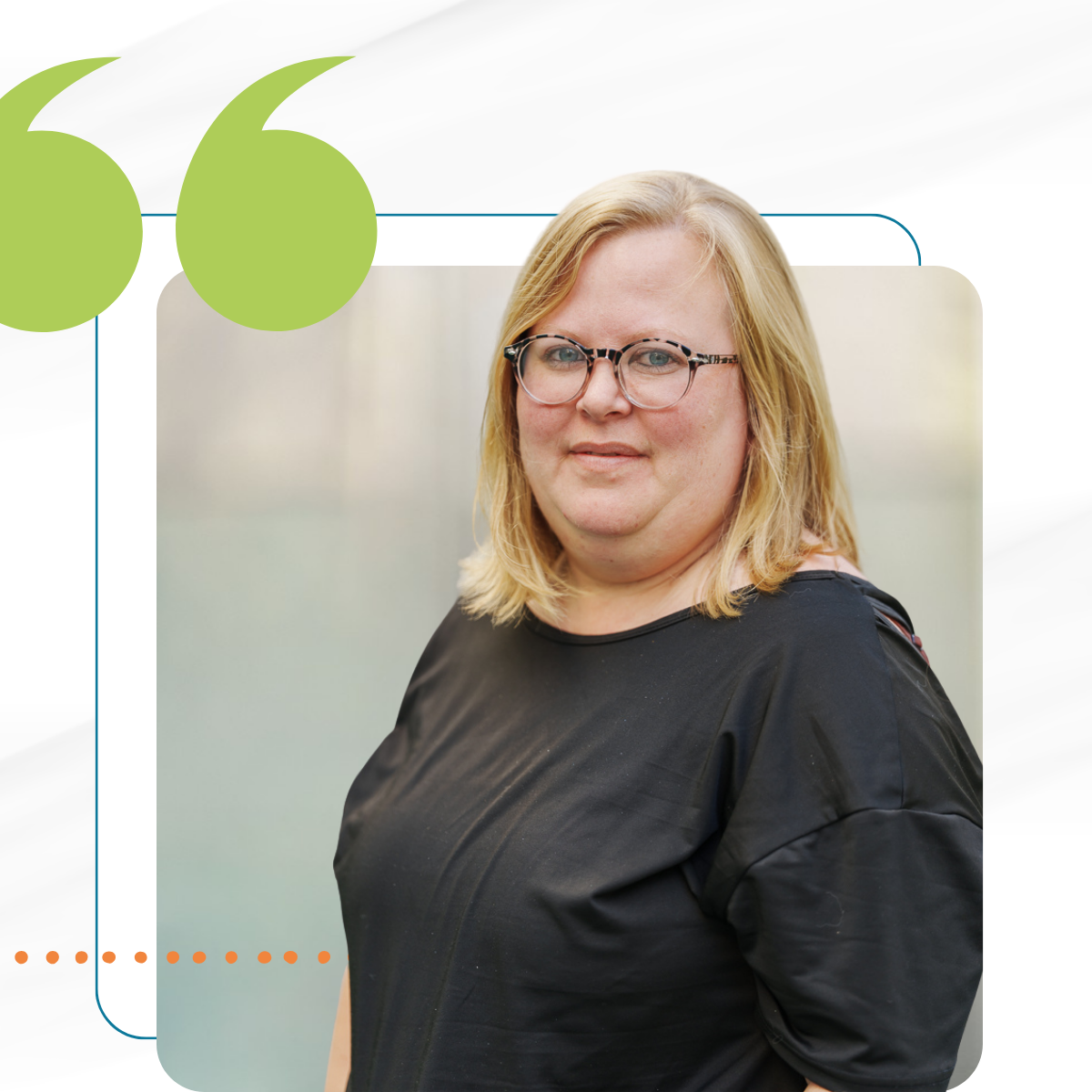
“I came to meet people who have the same condition as me, and to hear about the latest research. The event has exceeded my expectations. It is much bigger than I expected, and it is really important to hear everyone’s voice."


THANK YOU TO OUR SPONSORS
A special thank you to the following sponsors whose support was
instrumental in making Patient Community Day 2025 a success.

ECTRIMS is the world’s largest professional organisation dedicated to the understanding and treatment of MS and related neurological conditions. Each year, thousands of researchers and healthcare professionals from around the world attend the ECTRIMS Annual Congress to share and discuss the latest science and advances.
ECTRIMS 2025 was held in Barcelona, Spain.