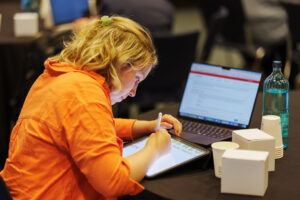
At Patient Community Day, stories, science, and lived experience come together in powerful ways. One of the most distinctive and memorable ways this year’s conversations were captured was through the live visual storytelling created by Pauline Gieseler, the primary sketch artist behind the Patient Community Day Impact Report.
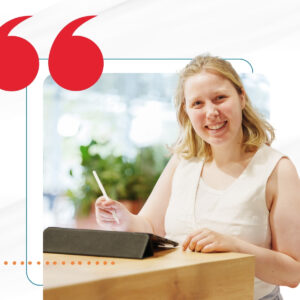
Pauline’s illustrations did more than document the day — they translated complex discussions into accessible, human-centred visuals that reflected the spirit of collaboration at the heart of Patient Community Day.
For participants, readers, and the wider community, her work offers another way of engaging with the insights shared, long after the event itself. Pauline brings a unique perspective to her work. She is a PhD researcher, a digital health specialist, and a person living with MS — identities that deeply shape how she listens and visualises conversations around research and care.
“For my PhD, I am looking at the economics of living with MS in the under 30s,” Pauline explained during an onsite interview at Patient Community Day. “It includes the cost of medicines and the cost to healthcare systems, but also the personal financial cost of living with MS. Living with MS has affected my research because it means I have easy access to all the good research questions – they come from my everyday life.”
That connection between lived experience and research was a recurring theme throughout Patient Community Day, and one that Pauline’s sketches reflected clearly. From access to diagnosis and treatment, to the realities of navigating healthcare systems, her visuals echoed the urgency and nuance of the discussions taking place on stage.
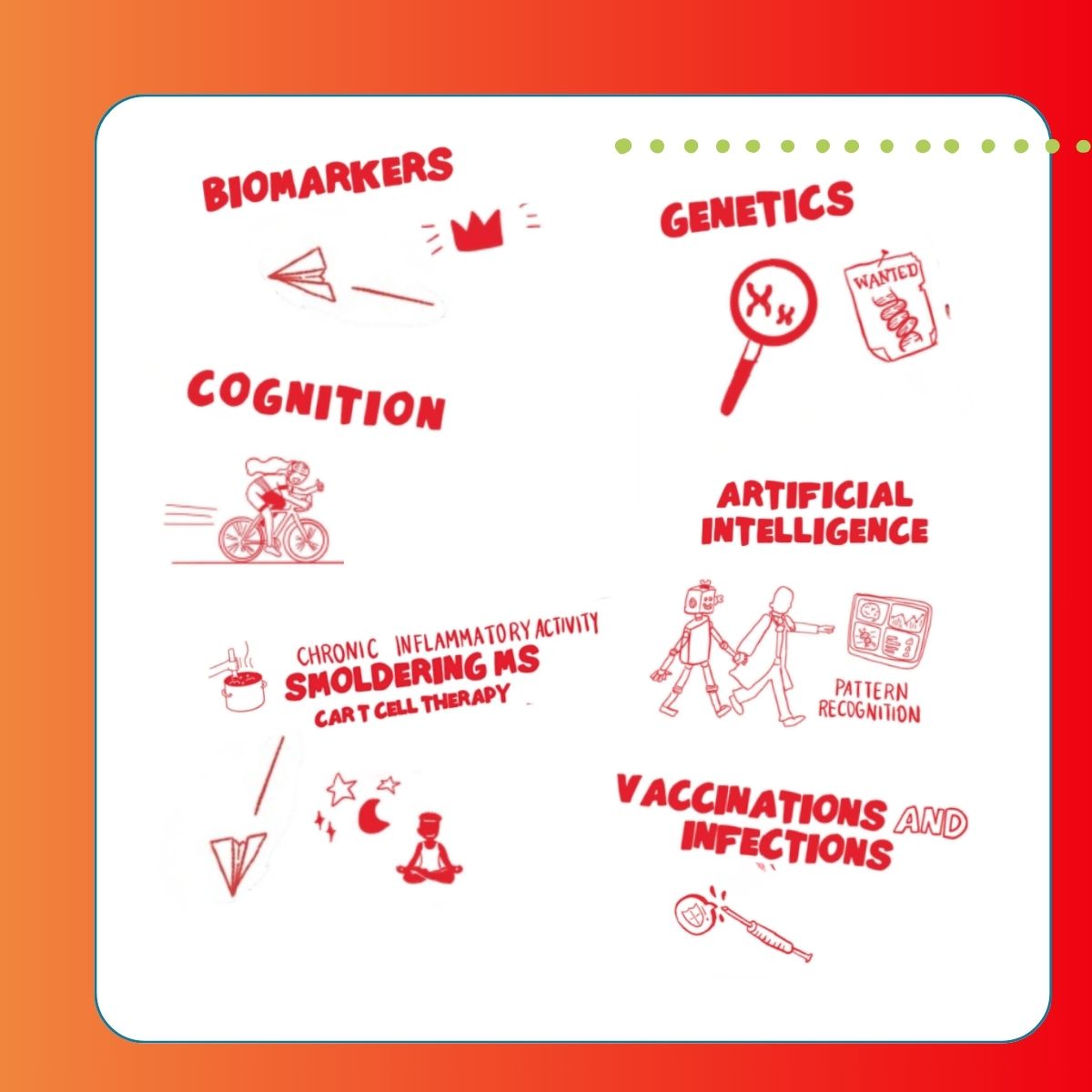
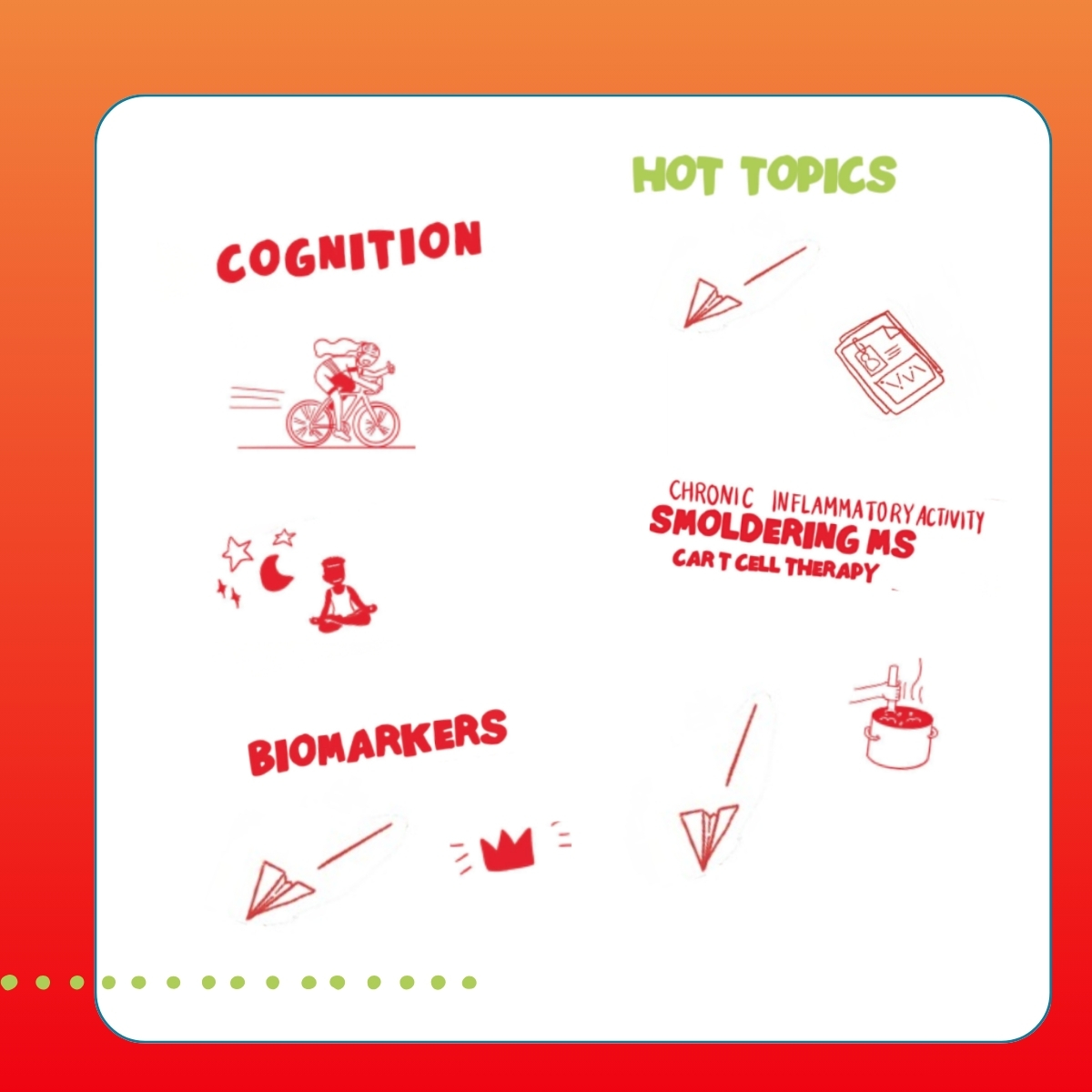
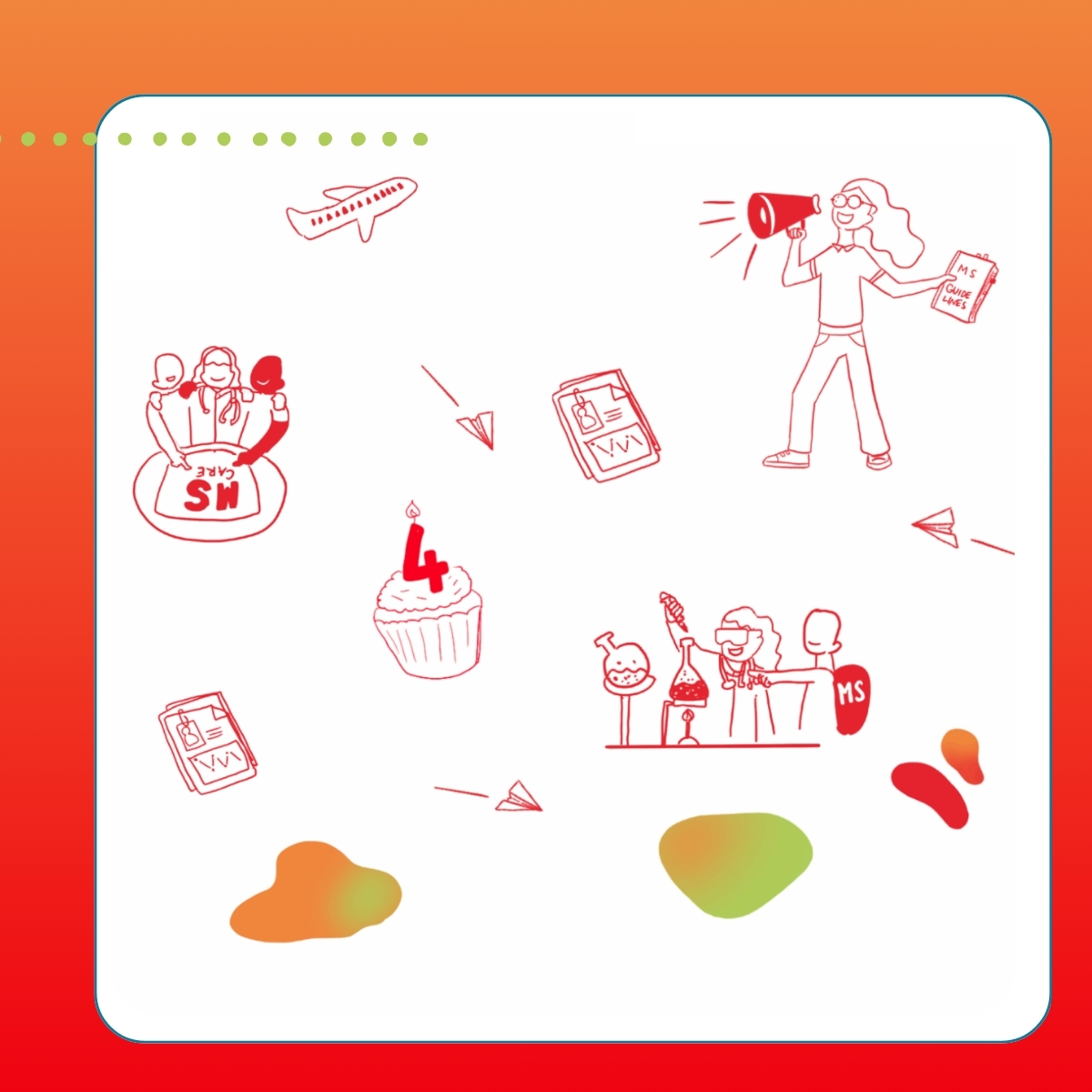
“You need to find a healthcare professional who will work with you against the problem,” she said. “But the problem is not MS. The problem is access to diagnosing tests, access to therapies, access to clinical trials.”
Pauline’s work also captured something less tangible, but just as important: the emotional and personal dimensions of living with a neurological condition. Her illustrations reflect the diversity of experiences within the MS community, acknowledging that there is no single story, no single journey.
“MS is the disease of 1,000 faces. Everyone is dealing in a different way,” she said. “I know it sounds cheesy, but you need to focus on the positive, use that as momentum, and just challenge everyone to get the best possible care for yourself.”
For Pauline, Patient Community Day represents more than a conference or a single moment in time. It is a space where information, empowerment, and connection intersect — and where change can begin.
“I think sometimes people forget the person they were before MS – but they are still the same person,” she reflected. “What I really hope for ECTRIMS Patient Community Day is that it sparks something. I hope that information, paired with empowerment, hope, and positive stories, empowers people to change their mindset.”
We are grateful to Pauline for the creativity, insight, and care she brought to Patient Community Day, and for the lasting contribution her work makes to the Impact Report. Her sketches remind us that research is not only about data and discoveries, but about people — and the many ways they experience, understand, and shape their own journeys.
You can learn more about Pauline and her work on LinkedIn: https://www.linkedin.com/in/pauline-gie/