
Sessions
You are here: Home / Sessions / Perspectives from People with Lived Experience
Highlights: Perspectives from People with Lived Experience
23 October 2026
Research advances can change lives. But what do those advances mean to the people living with MS, NMOSD and MOGAD?
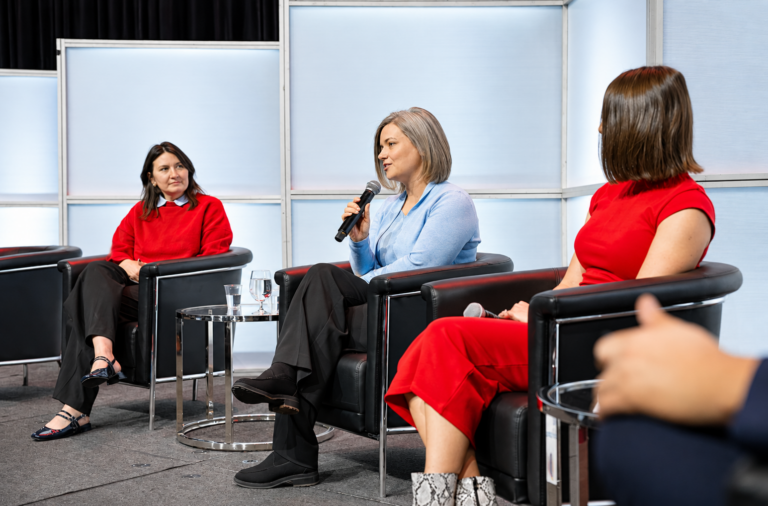
To close Patient Community Day 2026, three people living with these conditions and leading advocates in major organisations shared their reflections on what they heard and what it means for them in their everyday lives.
Here is what they had to say.
Table of Contents
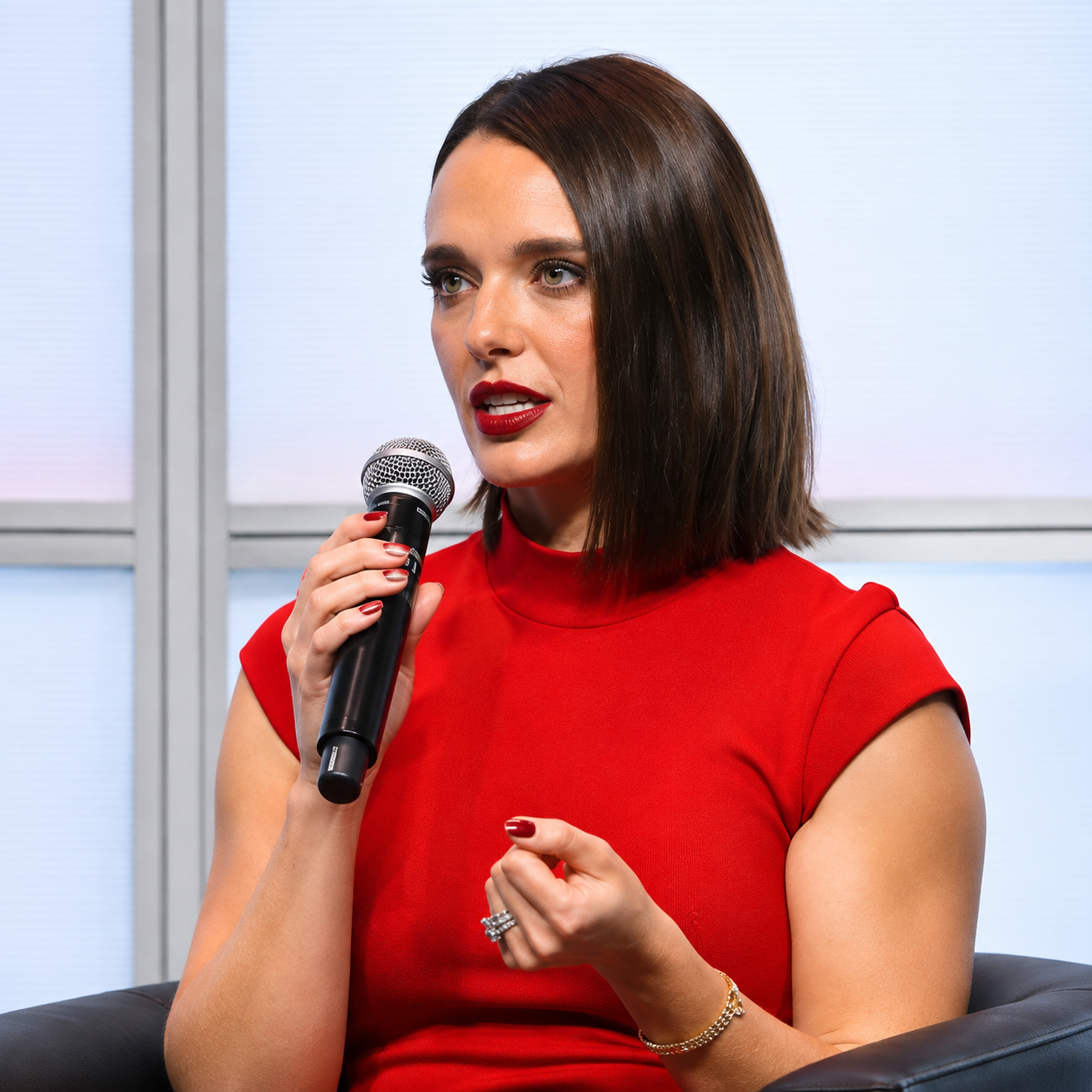
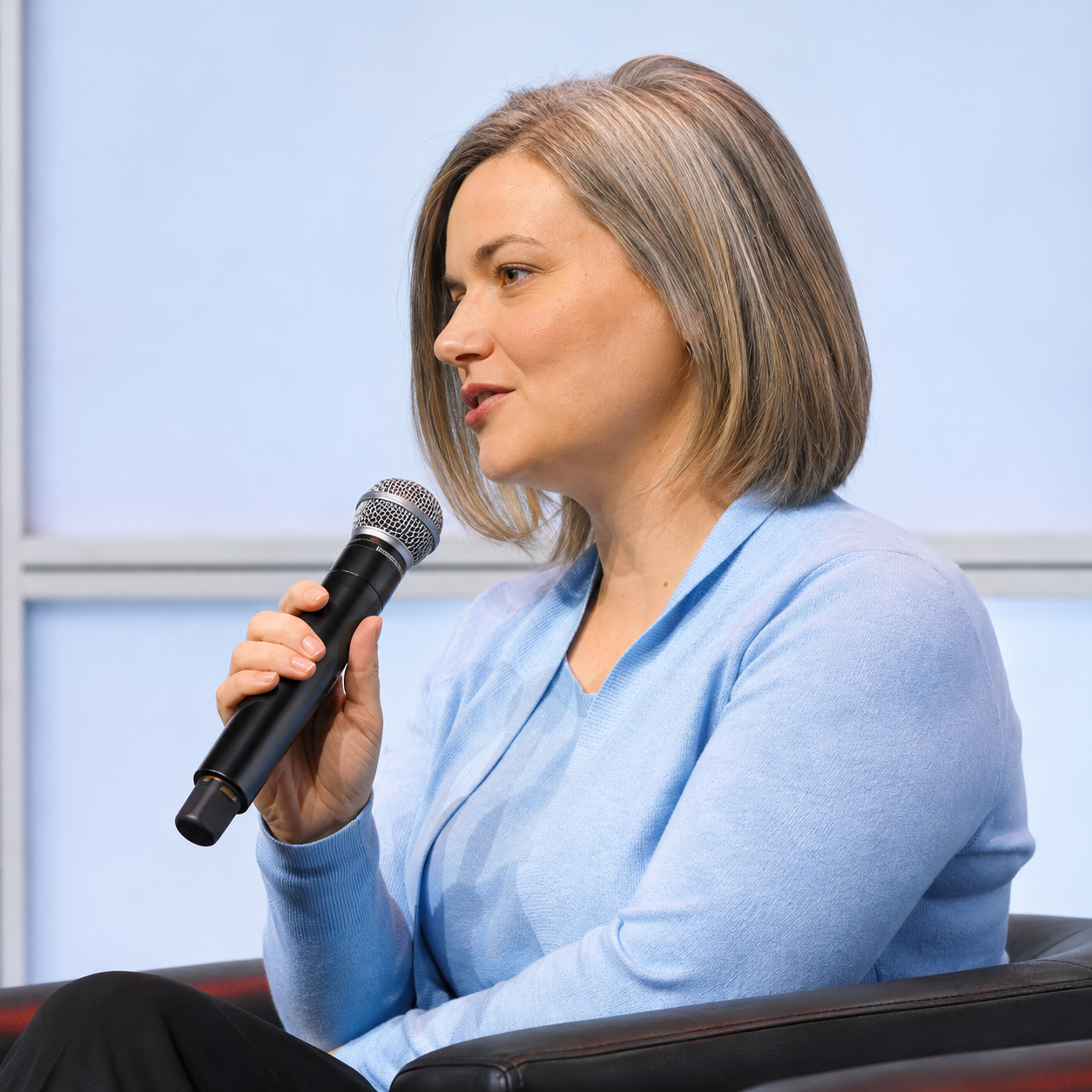
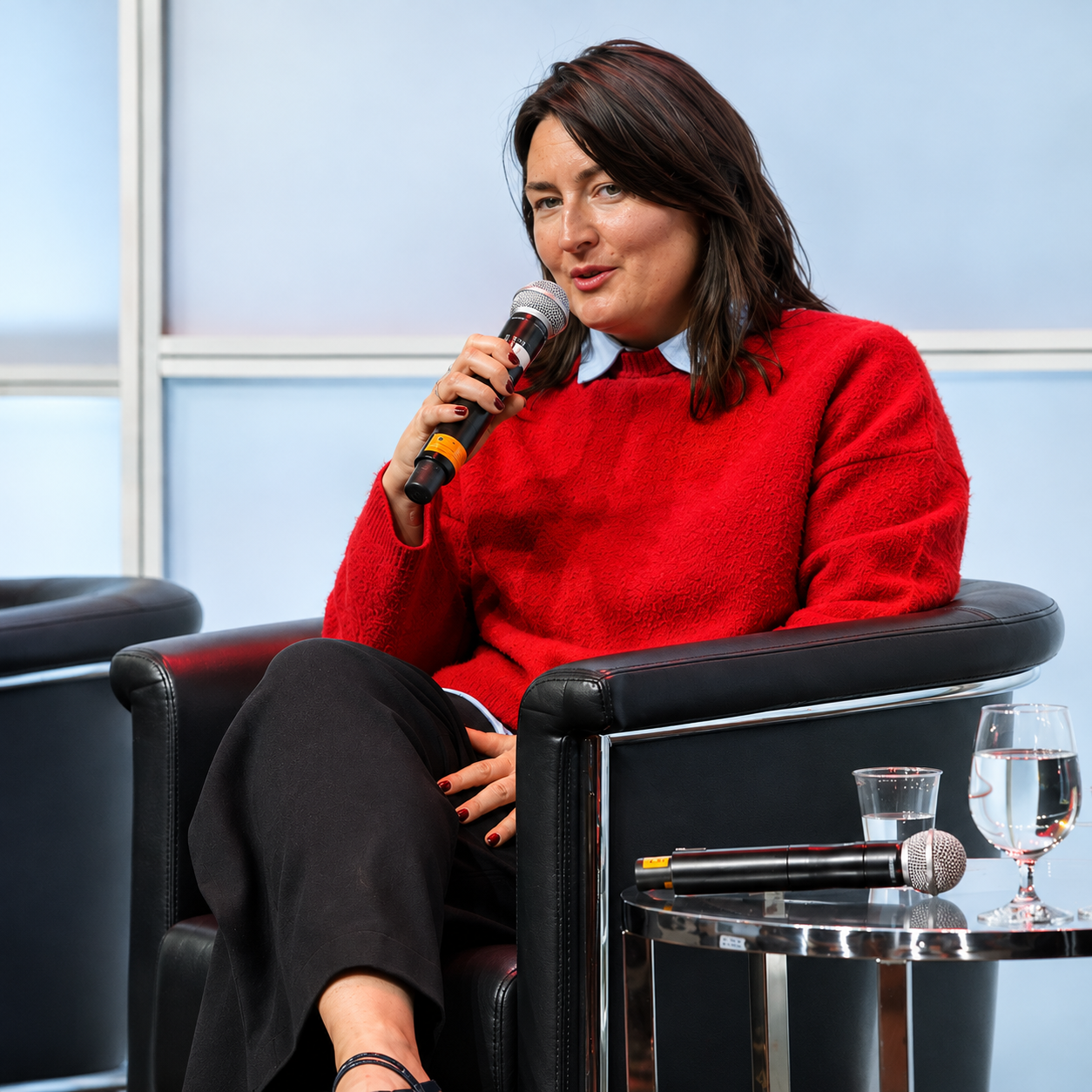
- Stephanie Buxhoeveden – Chief Scientific Officer at Accelerated Cure Project (ACP), and Person Living with MS (US)
- Taylor Ann Macey – Director of Patient Engagement for the Sumaira Foundation, and Person Living With NMOSD (US)
- Julie Pétrin – Director of Strategy and Impact at MS Canada, and Person Living with MS (CA)
- Brett Drummond – Host and Moderator (AU)
Stephanie Buxhoeveden, Accelerated Cure Project; Person Living with MS
“One thing MS forced me to do is take better care of myself. Everything that I’ve learned at this conference has really reinforced that. One of the key messages was that ageing itself causes disability.
“As we age and accumulate other health conditions, it becomes harder and harder to tease apart what is MS progression and what is ageing. A neurologist told a really interesting story about a patient who had a new gait disturbance that they assumed was MS progression.
It turned out she needed a new hip and she got back to walking pretty well. That is a reminder that not everything is due to our condition”.
– Stephanie Buxhoeveden
“I’ve had MS for 15 years, and I am consistently blown away by how many thousands of people at this conference are working together to make a huge difference to our lives. It is incredible to see how different the experience of a person developing MS today is from my own experience. My neurologist told me to drop out of the master’s programme I was on, and I was given an injectable medication because that was the only option. Today, somebody presenting with a case like mine would be prescribed a high-efficacy therapy straight away in the hope they do not relapse again.
“The fact that we have arrived at such a different era of MS care within a very short period of time is incredible. I am very hopeful that in the next 15 years, we will have not only immediate access to high-efficacy therapies for the newly diagnosed, but we may even be able to prevent most cases of MS from happening at all. Hopefully, we will also be able to put people on an additional medication to repair and restore what was lost.”
Taylor Ann Macey, the Sumaira Foundation; Person Living With NMOSD
“I feel incredibly honoured to be here and to witness the immense amount of research that is happening: there is so much hope to be had. It has really highlighted how this work gets done.
“Trials only get completed if researchers have enough people with the diseases to study.
My advice to anyone living with a rare disease like NMOSD is to be abundantly willing to participate.
It is really a powerful way to support yourself, and to hopefully make things better for you and for people living with these conditions down the road.”
– Taylor Ann Macey
“My other message would be to take hope in the shift we are seeing: research and healthcare are becoming more patient-centric. Take the opportunity to advocate for yourselves. A good provider will listen to you and your feedback. The effect of that can be really significant in terms of what people are studying, but it can help you get care as an individual, leading to a better quality of life.
“Overall, I am overwhelmed with how much hope there is, because every hour of every day, someone is thinking about this disease, someone is studying this disease, and someone is searching to find solutions.”
Julie Pétrin, MS Canada; Person Living with MS
“One of the biggest changes I have seen in the research world is how we are approaching the study of MS and related conditions holistically. We are thinking about the person as a whole: their comorbidities, what is happening in their lives, whether they’re male or female and whether or not that has an impact on their MS. Your disease is part of your life, but it is not you, and I think researchers are starting to realise all the different pieces of our lives play a part. We are moving towards personalised medication, where medication can be tailored to each person’s needs.
There has also been a big shift in how research is planned. We are starting to see people with lived experience talking to researchers before studies start, so they can think about what the real questions are and how they plan their methods. Those conversations are crucial.
We need to start embedding the voices and needs of people with lived experience earlier and earlier in the process.
That is how you get real impact: by looking at the right things that are actually important to the community. Local societies and organisations can usually connect people who want to get involved with research.”
– Julie Pétrin
The hope is immense at this point. This field blows my mind in terms of the progress we have made and where we are going.
One of the things that I go away with is that there are people working on all facets of this disease: people looking at quality of life, brain health, lifestyle factors, and remyelination. They are also looking upstream, at how to prevent the next generation from ever having to deal with these types of diagnoses. It is a very exciting time.
I’ve been coming to ECTRIMS for quite some time and have been in the MS field for quite some time. And I think one of the things that resonates with me, specifically seeing year over year, is how research is changing, and how we’re getting to a place where we’re thinking about MS and other conditions from a holistic approach.
So we’re thinking about the person in terms of the comorbidities that are happening in their lives, whether they’re male or female and whether or not that has an impact on their MS.
I think that researchers are starting to realise that there are all these different complex pieces that also plays into what’s happening.
So that I think for me is a really great advancement.
– Julie Pétrin
Watch the Full Conversation
Everything you’ve read here comes to life in the Highlight Session video available on YouTube.
Hearing the experts speak directly about the latest developments across the patient journey adds valuable depth to the themes outlined in this report, offering a clearer sense of how these insights connect to real-world patient needs and emerging priorities in care.
