
Sessions
You are here: Home / Sessions / Bonus Session: Online Q&A
Bonus Session: Online Q&A
23 October 2026
Patient Community Day 2026 was designed around what matters to people living with MS, NMOSD and MOGAD. That shaped the topics on the programme, the panellists invited to take part and how we discussed the latest research and what it could mean for everyday life.
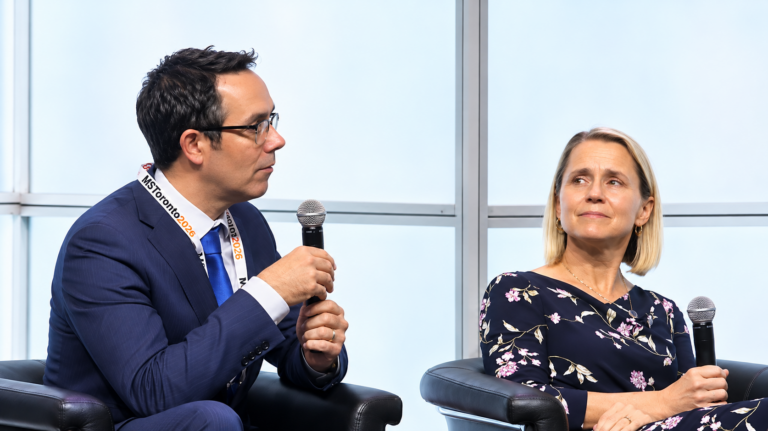
The extended online Q&A gave the community more time to explore those updates in depth and raise topics we hadn’t yet covered. Moderator Brett Drummond brought together an international panel of researchers, clinicians and people with lived experience to discuss questions submitted by the community before and during the event.
The conversation ranged from emerging treatments and the causes of MS to access to care, artificial intelligence and the challenges of living with progressive disease.
Table of Contents

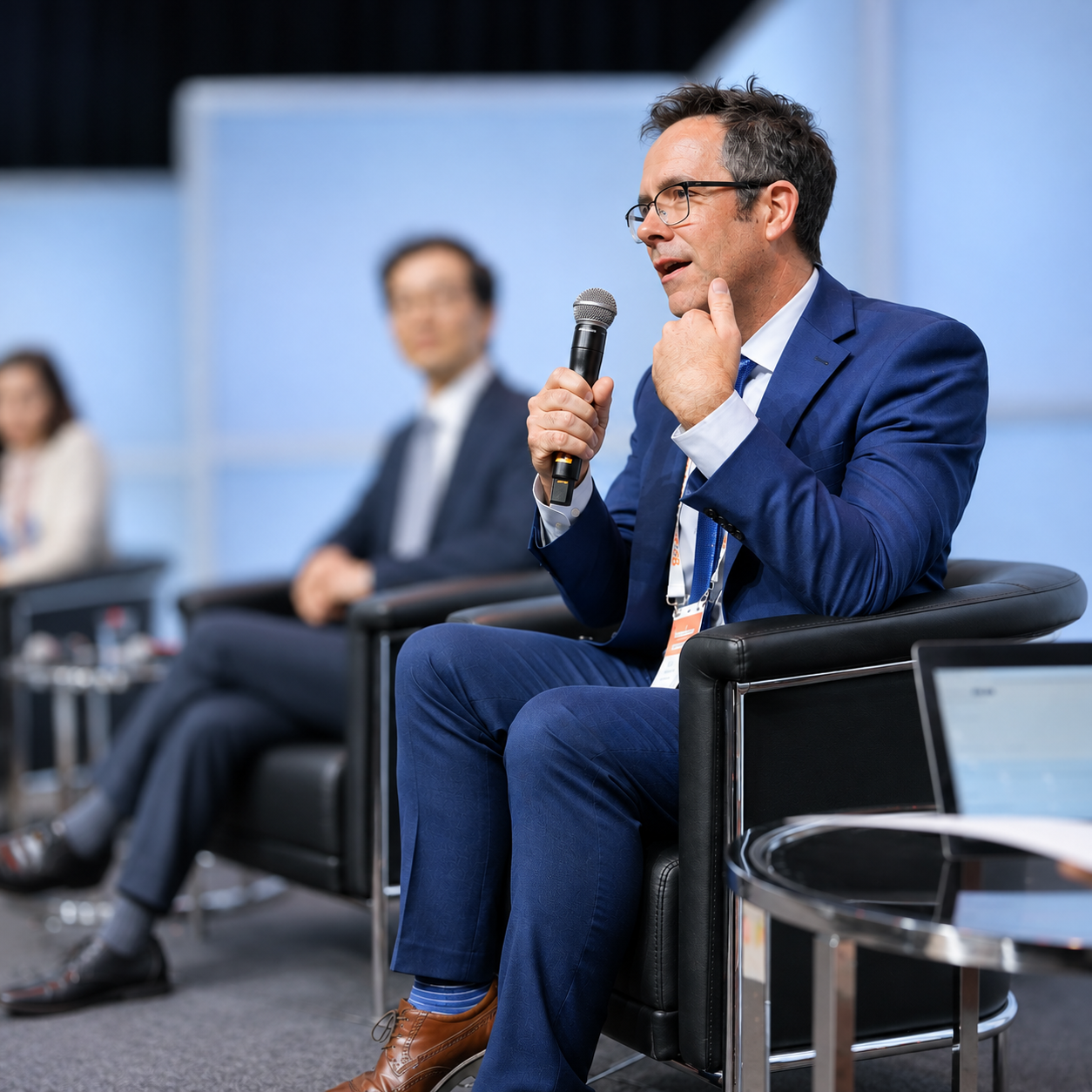
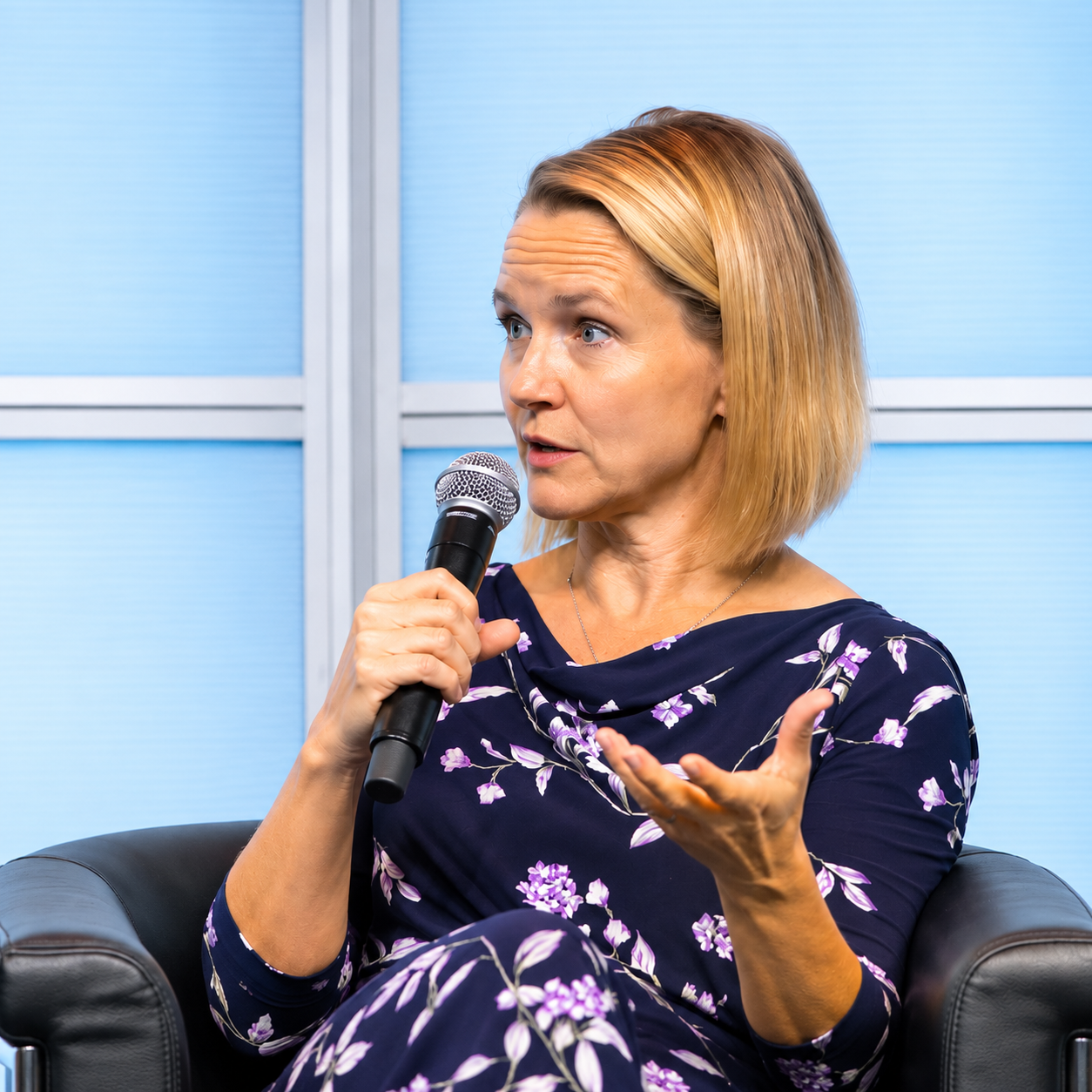



- Bruno Stankoff: Former ECTRIMS President; Neurologist, Sorbonne Université, FR
- Eoin Flanagan: Neurologist, Mayo Clinic, US
- Jennifer Graves: Neurologist, University of California, San Diego, US
- Nick Cunniffe: Neurologist, University of Cambridge, UK
- Stephanie Buxhoeveden: Chief Scientific Officer, Accelerated Cure Project; Person Living with MS, US
- Brett Drummond: Host & Moderator, AU
Can We Identify and Treat Smouldering MS?
Smouldering MS describes ongoing inflammation that can persist even when someone isn’t having obvious relapses. Researchers are looking for signs of this activity in blood and cerebrospinal fluid (CSF) samples, as well as on brain scans.
Researchers are investigating whether BTK inhibitors (discussed in Session 1) can target the processes that drive this inflammation. They’re also looking for other treatments that could act on these processes and help limit the damage they cause over time.
Stephanie Buxhoeveden: “I might still be able to walk a mile, but I’m not gonna be able to walk a mile then go home and cook dinner anymore. It’s just things are getting harder as you go along. It’s taking more energy and effort to do the same task.”
Could Hormones Be Used to Treat MS?
Several observations suggest that hormones may play a role in MS. The condition is more common in women than in men, and relapses tend to become less frequent during pregnancy, especially in the final three months, before the risk can rise again in the months after birth. Some people with MS also report more difficulty with thinking and memory around menopause.
Researchers are exploring which hormones are involved, when and where in the body they act, and how they might influence symptoms or disease activity. Understanding these links could open up new ways to manage symptoms and help researchers test whether hormone-based approaches could change the course of MS.
How Can Scientific Advances Reach People Everywhere?
Participants joining a virtual watch party in Africa raised an important question about equitable access to diagnosis and treatment. The panel discussed affordable diagnostic testing, portable MRI technology, access to essential medicines and the critical role of advocacy in making advances available in under-resourced regions.
Eoin Flanagan: “In other regions of the world, it seems where MS prevalence is low, the proportion of demyelinating disease is much higher for MOGAD and Aquaporin-4-positive NMOSD. We don’t fully understand the exact reasons for that, so there’s more to learn.”
Can Artificial Intelligence Improve MS Care?
AI is already helping researchers analyse MRI scans, identify patterns in large datasets and investigate potential new treatments. It could also help make treatment decisions more personalised.
Researchers are already using clinical information from large numbers of people with MS around the world to understand how people with similar characteristics and medical histories respond to different treatments. AI could speed up this work and improve the accuracy of predictions about how an individual might respond. In time, that could help people with MS and their healthcare teams make more informed decisions about which treatment is best suited to them.
The panel emphasised the importance of ethical oversight and of using data that reflects the diversity of people living with MS, so that these tools can support decisions for a wide range of people.
Bruno Stankoff: “AI is becoming everywhere in our daily life. So at each stage of the research now we incorporate AI. We are all augmented by the use of AI in our research.”
“It has to be used appropriately, ethically. We still have to be there to interpret what AI could bring. But we can go quickly, and this will accelerate all the discovery in the field of medicine.”
Why Does Your Lived Experience Matter for Your Care?
Standard measures of disability can miss changes that matter to people living with MS. The panel highlighted the importance of noticing when a familiar activity takes more effort or energy, or when it takes longer to recover afterwards, even if someone can still do it.
The panel also discussed why these changes are worth sharing with healthcare professionals. What people notice in their everyday lives adds important information alongside clinical measures such as disability scores (EDSS) and MRI findings, helping their care team build a fuller picture of how MS is affecting them.
How Can We Better Work Together to Advance MS Research?
The Online Q&A highlighted several challenges in conducting MS research. One of the biggest is securing funding for clinical trials in remyelination and progressive MS, where it can take years to determine whether a treatment makes a meaningful difference. Addressing these challenges will require researchers, clinicians, advocacy organisations, governments and industry to work together.
People living with MS should be central to that collaboration. By helping set research priorities and co-designing trials from the outset, they can help researchers choose outcomes that reflect meaningful improvements in everyday life and design studies that are easier to take part in. This can support recruitment and help trials reach answers sooner.
Ask the Expert: Your Questions Answered
You asked, our experts answered!
Following Patient Community Day 2026, we invited participants to submit their questions about multiple sclerosis (MS), NMOSD and MOGAD. From the latest research and treatment developments to managing symptoms and navigating everyday life, our experts have taken the time to address questions that matter most to the patient community.
Explore their answers and discover more insights from Patient Community Day 2026.
 Watch the Conversation
Everything you’ve read here comes to life in the Bonus Session video available on YouTube.
Hearing the experts speak directly about the latest developments across the patient journey adds valuable depth to the themes outlined in this report, offering a clearer sense of how these insights connect to real-world patient needs and emerging priorities in care.