
Sessions
You are here: Home / Sessions / Session Three

Session 3: Research Hot Topics
23 October 2026
Can damaged myelin be repaired? How does MS, NMOSD and MOGAD change as we age? And what can we do to protect our brain health?
Countless topics were discussed at MSToronto2026. But the ones that mattered most at Patient Community Day were those that matter most to people living with MS, NMOSD and MOGAD. During Session 3, our expert panel took a deeper dive into some of those hot topics, from remyelination and ageing to pregnancy and comorbidities. Together, they examined what the latest findings could mean for people living with MS and other rare conditions, both now and in the future.
Table of Contents


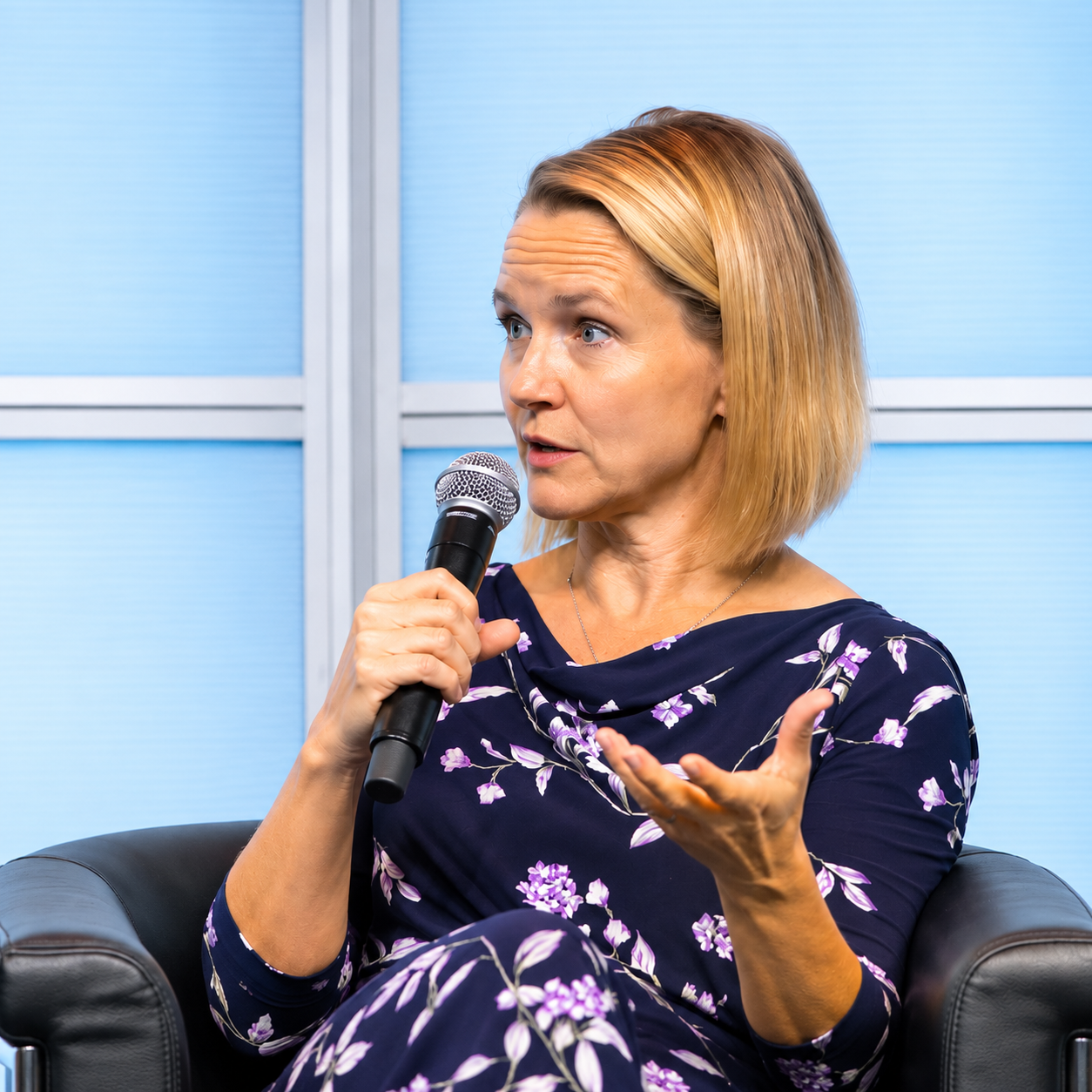





- Nick Cunniffe: Neurologist, University of Cambridge, UK
- Peter Feys: Rehabilitation scientist, Hasselt University, BE
- Jennifer Graves: Neurologist, University of California, San Diego, US
- Eva Strijbis: Neurologist, Amsterdam University Medical Centre, NL
- Helen Tremlett – Neurologist, University of British Columbia, CA
- George Pepper – Co-founder & CEO, Shift.ms; Lived Experience Panellist, UK
- Karen Jacoby – MS Canada Ambassador & Lived Experience Panellist, CA
- Brett Drummond – Host & Moderator, AU
Remyelination: Can We Repair the Damage Caused by MS?
Current MS treatments are effective at reducing relapses, but they do not repair existing damage. Remyelination research aims to address this by finding ways to promote myelin repair. Research over the past decade has shown encouraging early signs of myelin repair, but developing a treatment that can reliably promote this repair remains a major goal.
What Does the Research Tell Us?
- Early signs of myelin repair: One way researchers assess myelin repair is by measuring how quickly signals travel along a damaged optic nerve. Faster signalling after treatment can suggest that myelin has been repaired, and some clinical trials have shown improvements on this test. Further evidence has been provided of success in some of these trials through the detection of MRI changes, which also suggest increased myelin.
- Disability benefits remain unproven: Trials have not yet demonstrated that promoting myelin repair reduces disability. However, most have focused on early signs of repair and have not been designed or run for long enough to detect changes in disability. Designing trials to assess these longer-term benefits will be an important focus of future research.
- Who could benefit? Researchers believe myelin repair could benefit people across different ages and stages of MS. However, different approaches may be needed depending on a person’s age, how long they have been living with MS and other individual factors.
Nick Cunniffe: “We’ve seen across several clinical trials now that remyelination is achievable in people. We’ve seen that from several different signals, on some vision tests where we can measure the speed of conduction of the visual nerves as a way of capturing myelin repair. But also on the MRI scans, we can see some increased myelin content. I think that’s really encouraging.”
Ageing with MS: How Does the Disease Change Over Time
Ageing can change both MS and a person’s wider health needs. Researchers are exploring how these changes interact and how treatment and care can adapt throughout life.
What Does the Research Tell Us?
- Important gaps remain: Despite growing interest in ageing with MS, relatively few studies have included people over the age of 50. More research is needed to understand their experiences and care needs.
- Ageing involves more than MS: Other health conditions, cognitive and brain health, and hormonal changes such as perimenopause and menopause can all influence how people experience MS as they get older.
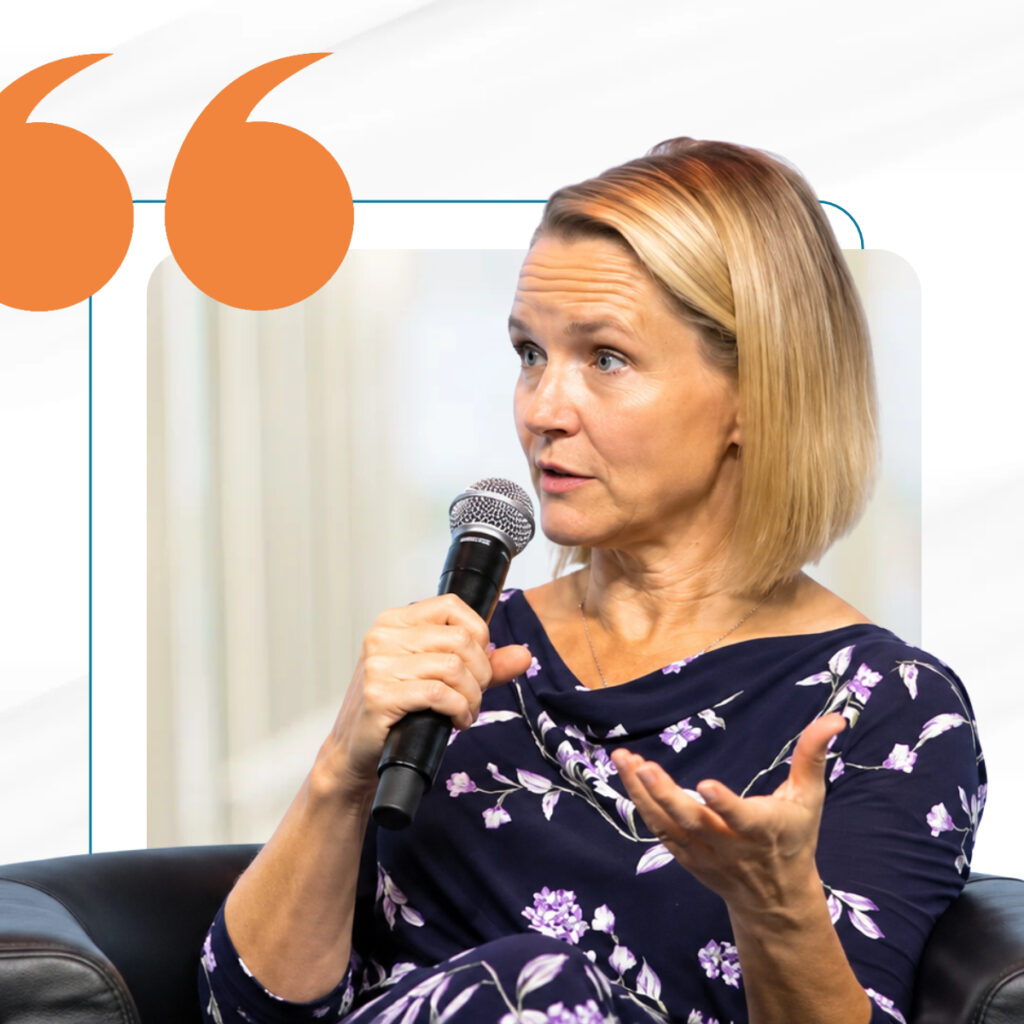
Jennifer Graves: “Perimenopause is not just a single event; it can cross several years, and we are starting to tease apart how that can be influencing MS. A hot topic is what do you do about hormone replacement. A presentation at MS Toronto 2026 was very reassuring that, at minimum, it is safe. We are hopeful that hormone replacement could help the course of MS.”
Pregnancy and MS: A Reassuring Outlook
Pregnancy in MS has been an important focus of MS research for a long time, which has led to a large body of evidence being generated in this area – the overall message is very reassuring.
While decisions are made on a person-by-person basis, researchers now know that pregnancy is generally safe for people living with MS. They also have a much better understanding of how MS behaves during pregnancy, which treatments may be appropriate and how to manage the period after childbirth.
What Does the Research Tell Us?
- Better treatment planning: Research has improved clinicians understanding of how to manage MS before, during and after pregnancy.
- More clarity on medication: There is now greater evidence to guide which medications can be used safely before conception, and if and when, they should be stopped.
- Managing MS after childbirth: Evidence-based postpartum strategies allow women to safely restart MS medications, usually one to three weeks after giving birth. This helps to prevent future relapses.
Jennifer Graves: “One of the most heartening messages at MS Toronto 2026 is that we know enough to take care of people. Women with MS are choosing to have pregnancies more often than they were 20 years ago, and that is a testament to all the people who have made them feel safe.”
Brain Health: How Can We Protect Our Brains While Living With MS?
Maintaining brain health is an important part of living with MS. Alongside medical care, lifestyle factors such as physical activity can support brain function and overall wellbeing. Researchers are exploring how these everyday actions could improve long-term outcomes.
What Does the Research Tell Us?
- Protecting brain structure and function: Research suggests that exercise may help preserve brain structure and volume, while also supporting connections between brain regions.
- Lifestyle makes a difference. Avoiding smoking and getting good-quality sleep and staying physically active can support brain health and potentially reduce factors associated with disease progression.
- Different types of movement can help: Exercise can support brain health in different ways, from aerobic and resistance training to balance exercises and brisk walking. The aim is to find activities that are manageable but offer a safe level of challenge, adapted to each person’s abilities.
- Small changes matter: Studies have shown that even walking slightly faster can help with brain health. The key is raising the heart rate.
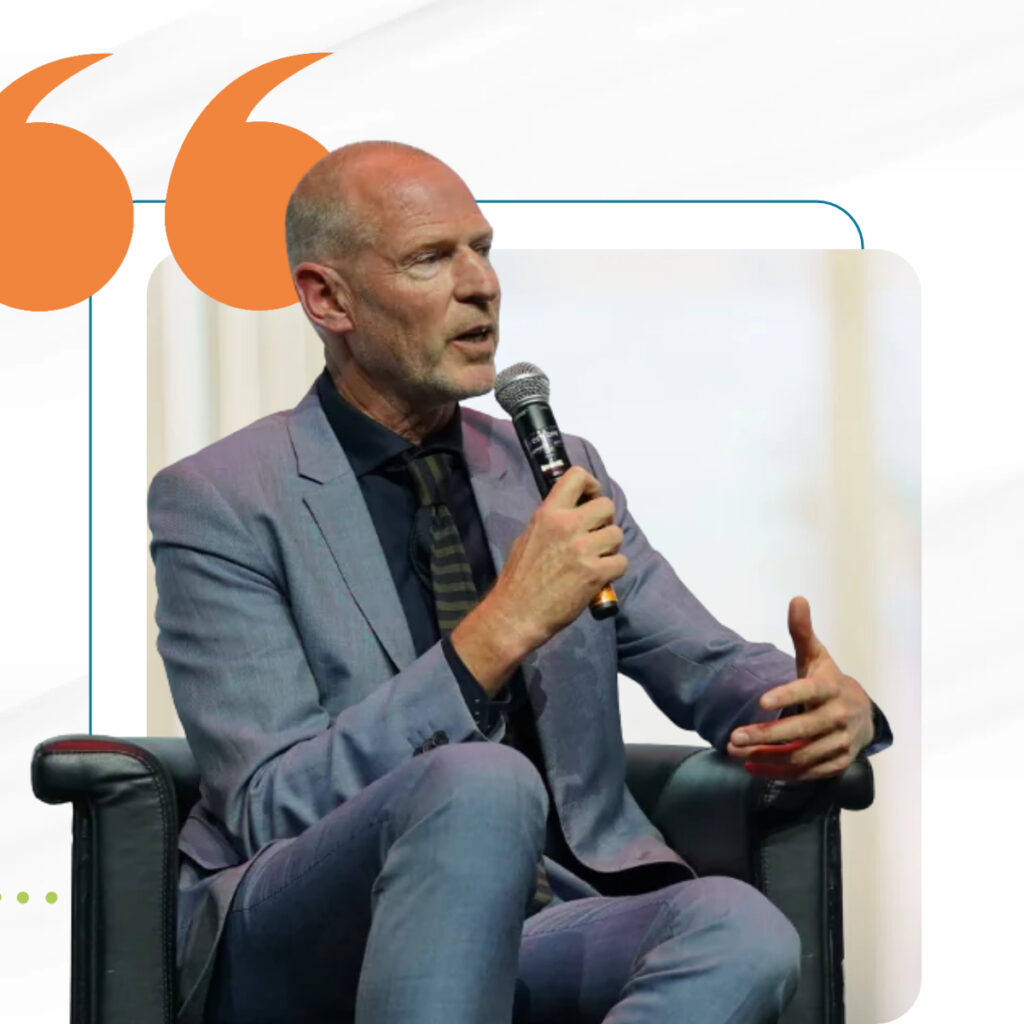
Peter Feys: “Exercise has to be seen in a wider concept. So also balance training. As long as you do it with some intensity, with some difficulty, you will stimulate your brain. And I think that’s important to try to keep doing that for a long time. […] Brain health can be working on your structures and volumes of the brain, but it can also mean trying to have the good connections in the brain.”
Comorbidities and MS: Why Does Managing Other Health Conditions Matter?
Comorbidities are other health conditions that occur alongside MS. These can include anxiety, depression, cardiovascular disease and gastrointestinal issues. As people get older, additional health conditions become more common. Understanding how these interact with MS is an increasingly important part of research and care.
What Does the Research Tell Us?
- Comorbidities become more common with age: As people get older, they are more likely to develop comorbidities. This is true for everyone – not just people living with MS or related neurological conditions.
- Cardiovascular health is particularly important: People with MS have a higher chance of developing cardiovascular diseases than those who do not. Research has also found an association between cardiovascular disease and disability progression.
- Physical activity may play a role: Some findings suggest that physical activity levels may start to drop many years before the first recognisable MS symptoms, potentially up to 15 years beforehand. Researchers are investigating how this relates to cardiovascular health and MS.
- Earlier identification matters: Cardiovascular diseases are not always spotted in people with MS. If it is not diagnosed, it cannot be treated. Researchers are looking at how healthcare professionals can better understand

Eva Strijbis: “We started to measure some very simple markers for biological age… things like blood pressure, cholesterol measurements. And we’ve done that very systematically in a population of people with MS that are aged sixty, and we found that sixty percent has a high cholesterol level.”
From Disease Progression to Early Detection: Your Questions Answered
Alongside the discussions, George Pepper of Shift.ms and Karen Jacoby of MS Canada joined the experts to bring questions from people with lived experience into the discussion.
Their questions explored differences in how MS affects men and women, the possibility of identifying the disease before its first recognisable symptoms, and what biological ageing could mean for people living with MS.
How do gender differences affect MS disease progression and the effectiveness of disease-modifying therapies (DMTs)?
Answer: Before puberty, there are no significant differences in disease course between boys and girls. In adulthood, however, men are more likely to develop progressive MS, while women tend to experience higher relapse rates between puberty and midlife.
How well disease-modifying therapies (DMTs) reduce relapses seems to be broadly similar between men and women with relapsing MS. However, clinical trials have noted some differences in progressive MS.
Overall, more research is needed to understand sex-related differences in treatment response and disease progression. When selecting treatments, neurologists consider a number of factors, including the person’s sex. In general, younger women may require treatments that provide stronger relapse control. Men in their 30s and 40s may need therapies that target disease progression.
Personalised treatment is challenging because clinicians cannot always predict how aggressively the disease will develop. More research is needed to improve understanding here. Part of that is making sure clinical trials include more representative age and sex groups.
How close are we to identifying and treating MS during the prodromal phase, before the first recognisable neurological attack?
Answer: The MS prodrome refers to the period before the first recognisable MS symptoms develop.
Research suggests that early signs may include fatigue, irritable bowel syndrome, restless legs, anxiety and depression. Anxiety and depression in particular have been associated with greater disability progression after MS diagnosis.
People may experience some of these non-specific signs up to 15 years before they experience MS symptoms. Researchers are still looking into which, if any, combination of the signs may be able to identify those at risk of developing MS.
Helen Tremlett: “Now we’re still not there in terms of ability to accurately identify people with MS earlier, but I think we’re seeing a pathway where we could get there, and maybe then you could offer people enrolment in one of your very cool remyelination trials or to try and prevent demyelination.”
What is biological ageing, and MS accelerate it?
Answer: Biological ageing refers to how old cells, tissues and organs are, based on their condition and function. This is different from chronological age, which is the number of years someone has lived. Some people with MS, including children, may experience accelerated biological ageing.
Physical exercise is one of the most effective ways to support healthy ageing. Researchers are also exploring additional methods. These include remyelination therapies, senotherapeutics, which target the cells’ ageing process, and managing cardiovascular health.
 Watch the Full conversation
Everything you’ve read here comes to life in the Session 3 video available on YouTube.
Hearing the experts speak directly about the latest developments across the patient journey adds valuable depth to the themes outlined in this report, offering a clearer sense of how these insights connect to real-world patient needs and emerging priorities in care.