
Sessions
You are here: Home / Sessions / Session Two
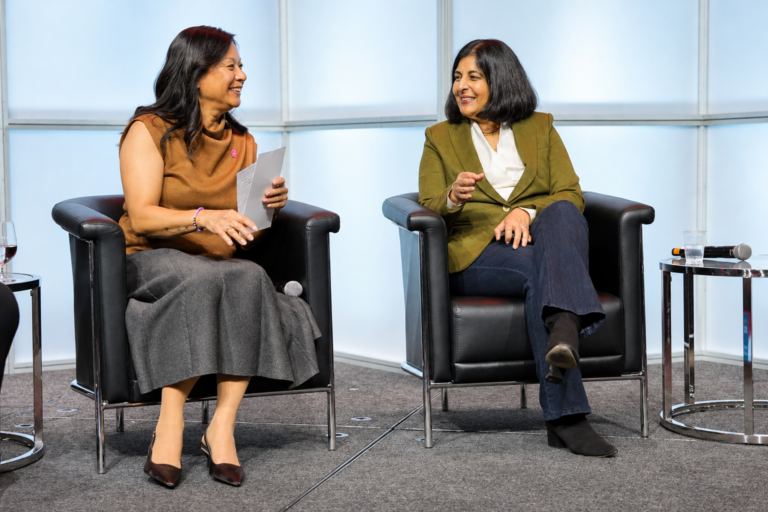
Session 2: NMOSD and MOGAD Clinical Updates
23 October 2026
Research into NMOSD and MOGAD is advancing rapidly, bringing new possibilities for people living with these rare neurological conditions.
At MSToronto2026, our expert panel explored promising therapies, advances in diagnosis and ways to predict and prevent attacks—a critical goal, as each attack can cause lasting neurological damage for people living with these conditions.
Table of Contents
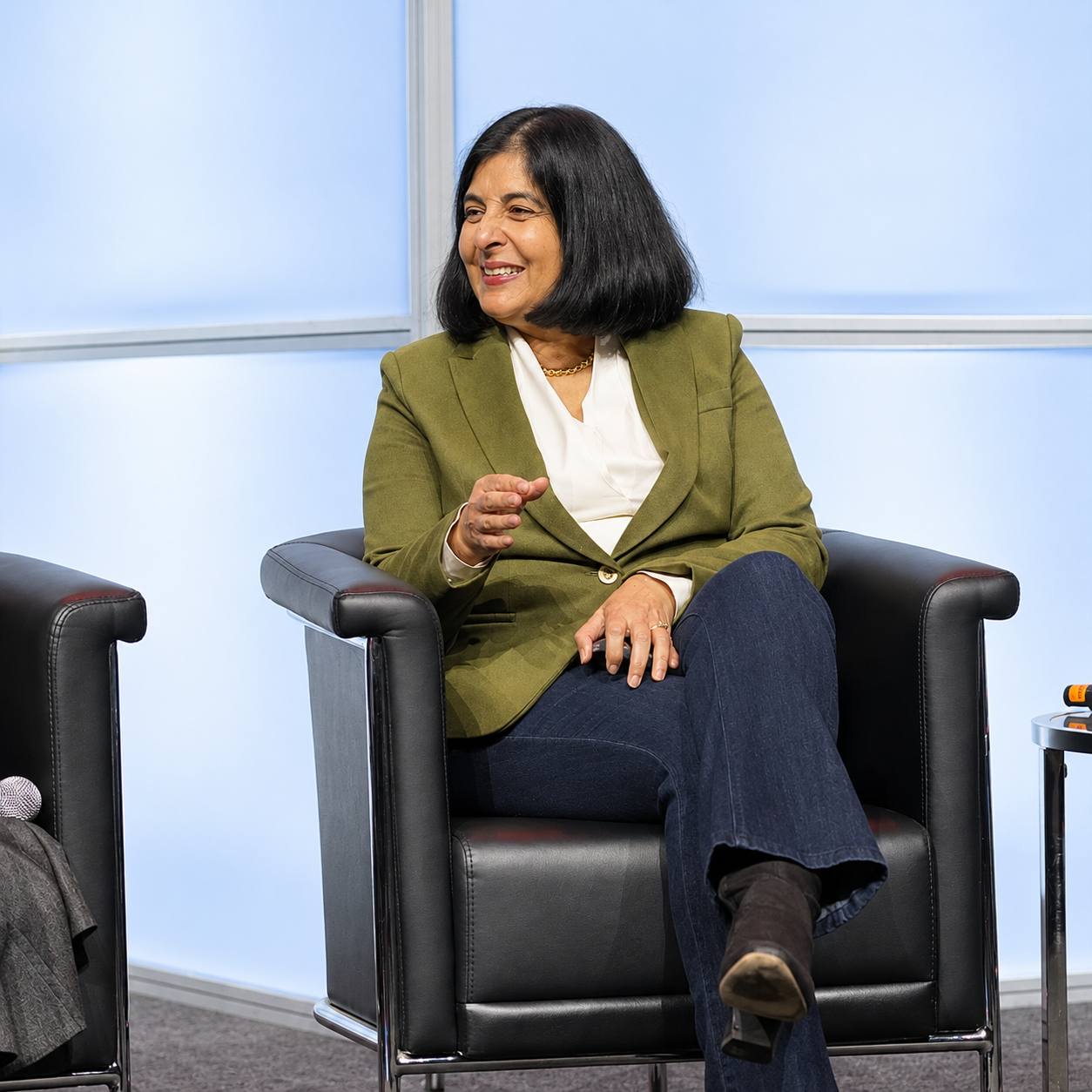

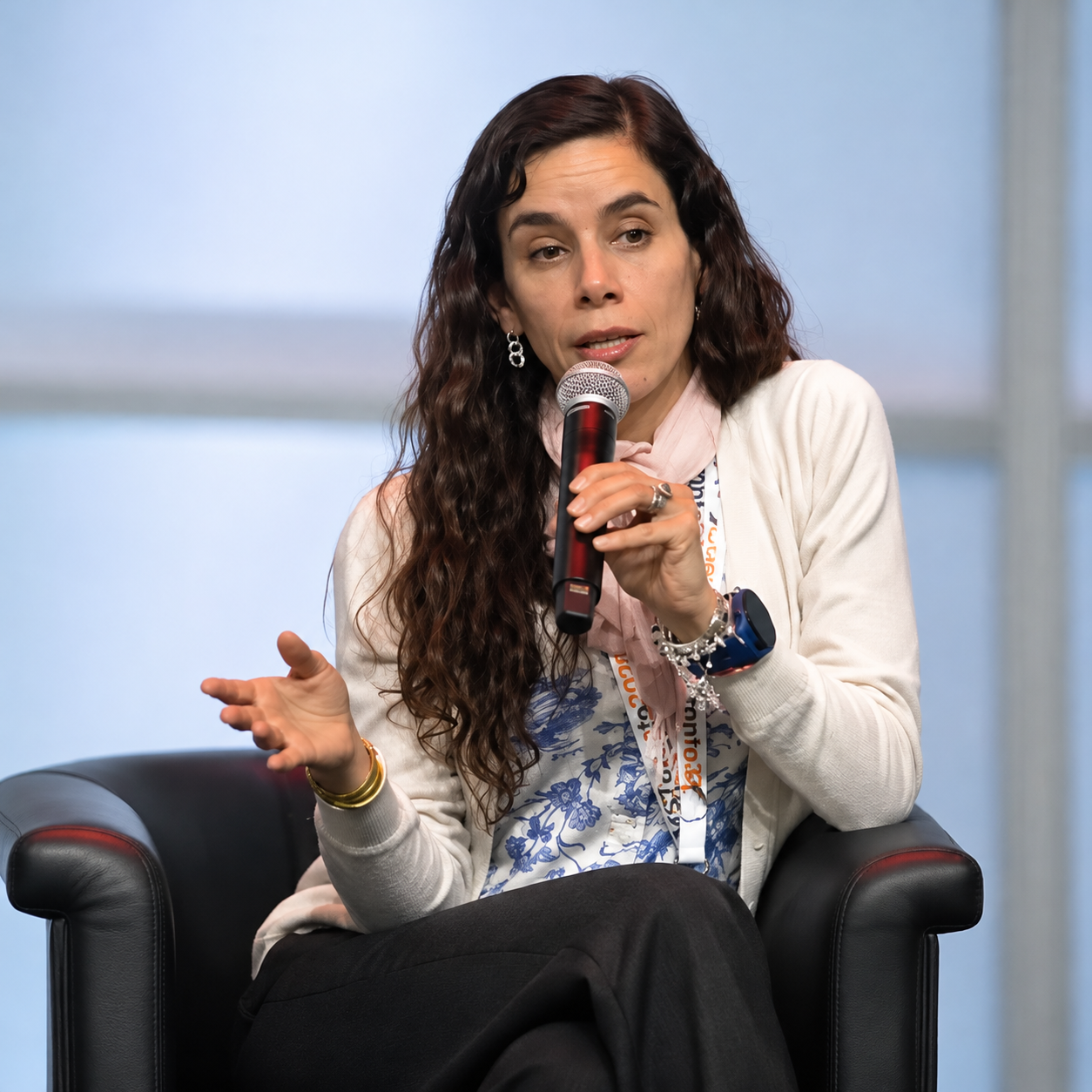
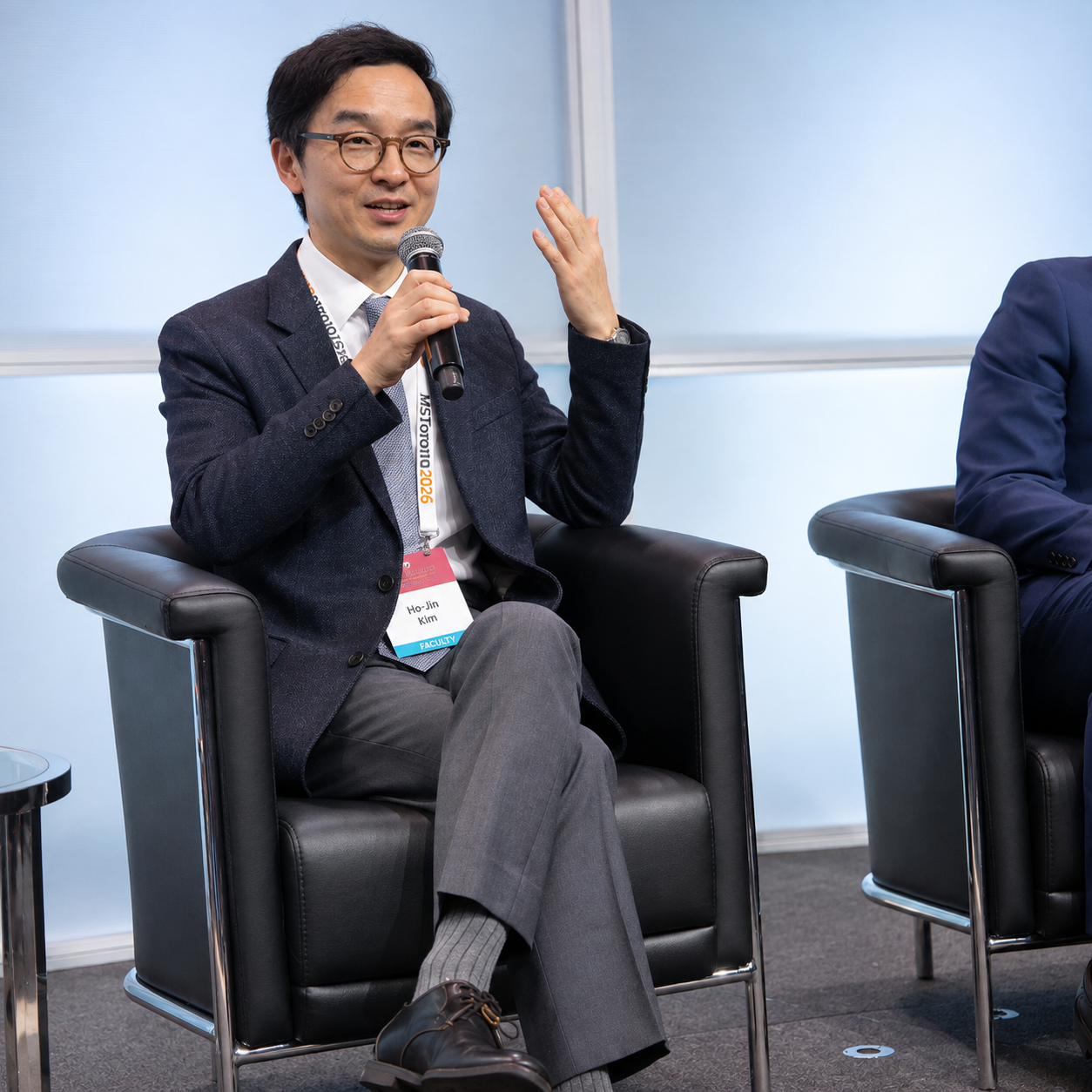
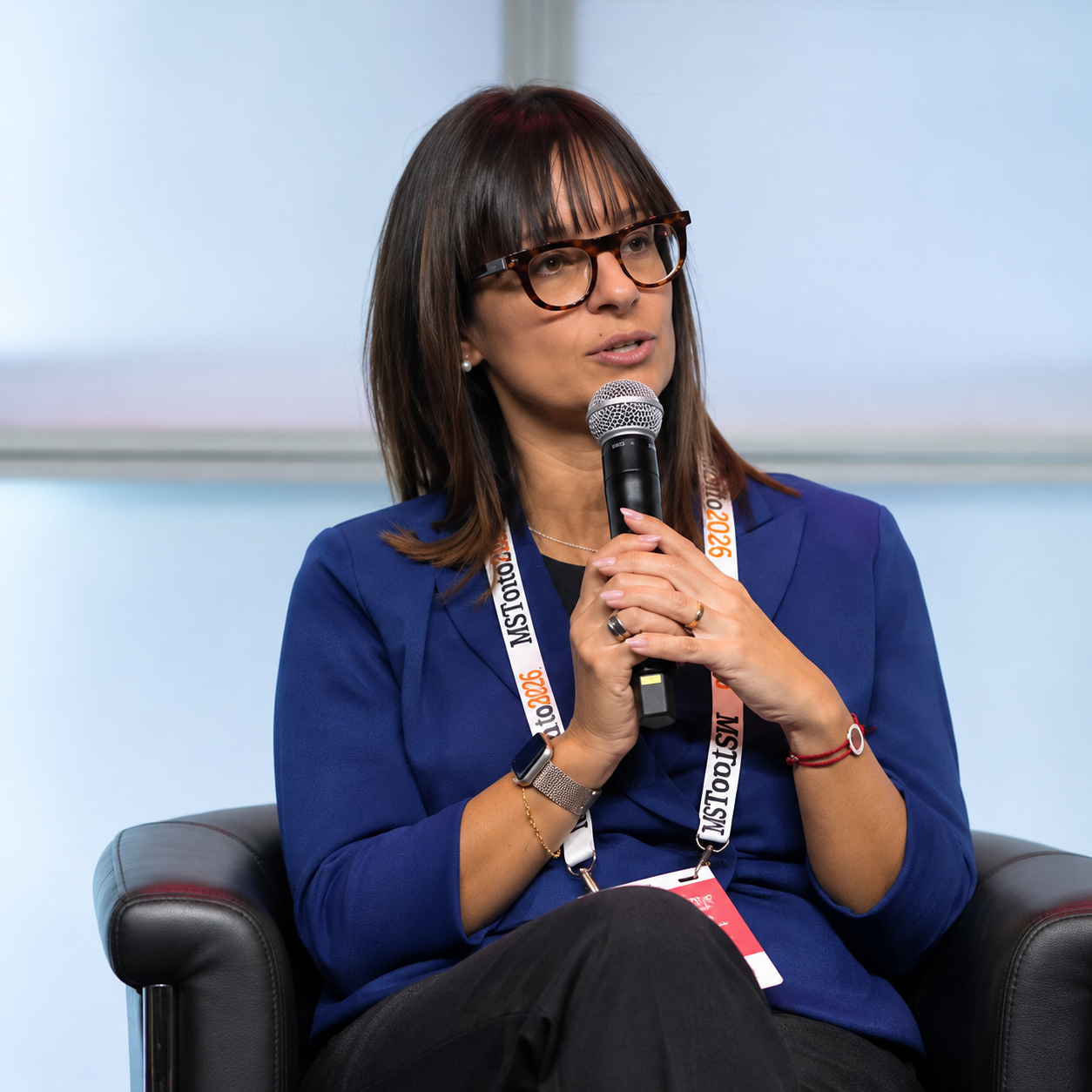

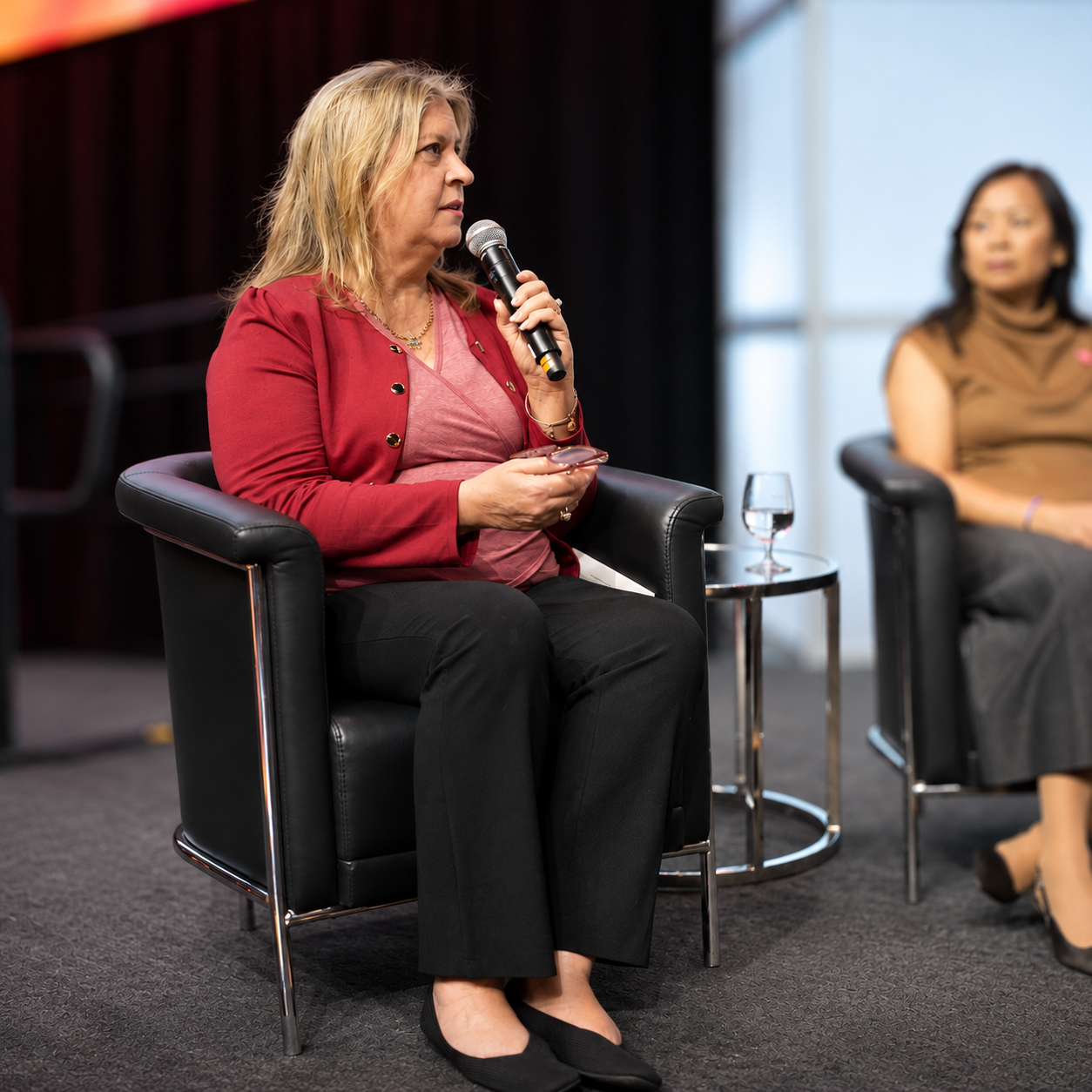

- Tanuja Chitnis – Professor of Neurology, Harvard Medical School, US
- Eoin Flanagan – Neurologist, Mayo Clinic, US
- Lorna Galleguillos – Neurologist, Clínica Alemana, CL
- Ho-Jin Kim – Neurologist, National Cancer Center, KR
- Sara Mariotto – Neurologist, University of Verona, IT
- Marissa Lopez – The Sumaira Foundation, Lived Experience Panellist, CA
- Julia Lefelar – The MOG Project, Lived Experience Panellist, US
- Brett Drummond – Host & Moderator, AU
NMOSD: New Approaches to Predicting and Preventing Attacks
Neuromyelitis optica spectrum disorder (NMOSD) is rare, affecting between 1 and 10 people per 100,000, with rates varying by geographic location. It occurs when the immune system mistakenly attacks part of the central nervous system, particularly the optic nerves, spinal cord and brain stem.
NMOSD is commonly classified according to whether a person has antibodies against a protein called aquaporin-4 (AQP4) in their blood. Most people with NMOSD are AQP4-IgG-positive, while others are AQP4-IgG-negative, or seronegative (meaning they do not have these antibodies in their blood).
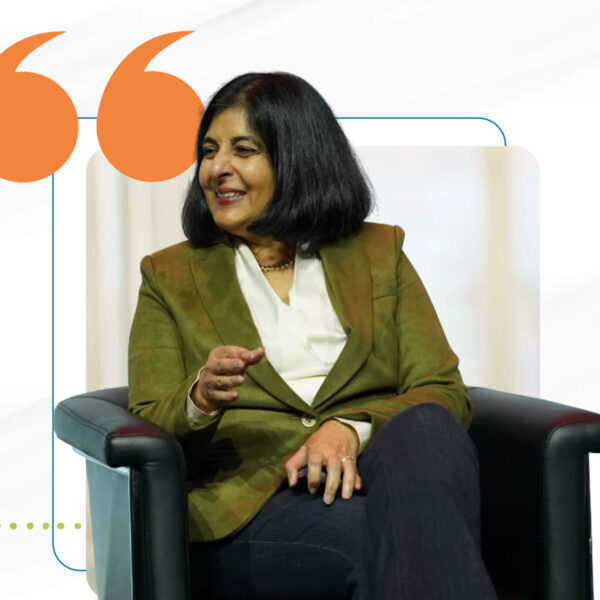
Tanuja Chitnis: “Most of these (CAR T-cell) treatments are still in Phase I or Phase II clinical trials. They will need to progress to Phase III, which could take several more years. There are also important questions to answer, including whether to use a patient’s own engineered cells (autologous cells) or donor cells, as well as alternative ways of delivering these treatments. The field is evolving rapidly and is very exciting, but we also need to be cognizant of the potential side effects and monitoring that would need to take place.”
Latest Research Findings for NMOSD:
- Identifying NMOSD before symptoms appear: Data presented at MSToronto2026 suggest that people living with AQP4-IgG-positive NMOSD may have AQP4 antibodies in their blood years before symptoms develop. These findings are very new, and researchers now need to understand what they mean, what they reveal about how NMOSD develops and whether they could eventually inform clinical care.
- CAR T-cell therapy: Similarly to MS, researchers are investigating whether CAR T-cell therapy could offer a new approach to treating NMOSD. One small study has reported promising early results, with many more trials underway or being planned. However, important questions remain about understanding its safety and potential side effects.
- Improving treatment during attacks: Researchers are investigating how best to use existing medications to treat NMOSD attacks and limit lasting disability. At MSToronto2026, researchers discussed whether combining the current standard treatment for NMOSD attacks with other treatments, such as a novel approach using complement inhibitors, could improve outcomes. Questions remain, but researchers and clinicians will continue exploring how best to limit damage and improve outcomes for people living with NMOSD.
- Individualised treatment decisions: The panellists emphasised that treatment should be made jointly by people living with NMOSD, their families and their clinical teams, taking into account everyone’s individual circumstances, preferences, and the potential risks and benefits of each option.
Tanuja Chitnis: “There are a number of trials that are starting of CAR T therapies in NMOSD. Now these are small studies, it’s very, very early times, but there is really a rationale, a reasoning for using CAR Ts potentially in NMOSD. There has been one, a very small phase one study that has had some positive results, and so it’s very promising.”
MOGAD: Progress Towards Preventing Relapses
Myelin oligodendrocyte glycoprotein antibody-associated disease (MOGAD) is a rare autoimmune condition affecting around 1.3 to 2.5 people per 100,000. In MOGAD, the immune system produces antibodies against MOG, a protein on the outer surface of myelin—the protective coating around nerve fibres in the central nervous system. This triggers inflammation that can damage myelin and disrupt nerve signals.
Understanding MOGAD and Its Treatment Challenges:
- Some people will only experience one MOGAD attack, and may not require ongoing treatment. Others have repeated attacks and may benefit from long-term medication to prevent relapses.
- Preventing further attacks is important because repeated attacks can cause lasting damage and disability.
- Although treatments are available to manage acute MOGAD attacks, there is currently no specifically approved long-term treatment to prevent future relapses – this is an unmet need researchers are working hard to tackle.

Eoin Flanagan: “We have over twenty approved treatments [for MS], and we’re a decade or more behind in the MOGAD space. So it’s really exciting and really hopeful for people. These are the first opportunities where treatments may be readily available more globally. It’s good opportunities for global treatments to be made available to help prevent attacks and prevent disability for persons living with MOGAD.”
Latest Clinical Trial Results:
- IL-6 inhibitors: One promising area of interest that researchers noted was interleukin-6 (IL-6) inhibitors. IL-6 helps drive the immune cells to make MOG antibodies. Blocking it, then, may lower the concentration of MOG antibodies in the body and help to prevent relapses.
- Tocilizumab – TOMATO trial: Results from a Phase III study of IL-6 medicines presented at MSToronto2026 showed promising results. In the TOMATO trial, tocilizumab reduced relapses and slowed the rate at which people accumulated disability compared to placebo.
- Satralizumab – METEORIOD trial: Another Phase III study reported that satralizumab also reduced relapse rates compared to placebo, providing further encouraging evidence for IL-6 inhibition as a potential treatment approach.
- Understanding the impact of repeated attacks: There have also been advances in researchers’ understanding of the disease process. Studies have shown, for example, that repeated attacks affecting the same part of the central nervous system can lead to more severe and lasting disability. This highlights the importance of preventing relapses.
Sara Mariotto: “I would give a really positive message to people living with NMOSD and MOGAD. We have worked incredibly hard over the last few years to improve diagnosis. We have also made significant progress in identifying biomarkers of disease activity, alongside positive clinical trial results and advances in treatments for acute attacks. There are many reasons to be hopeful. We are working hard, and some really positive results are beginning to emerge.”
NMOSD and MOGAD: Your Questions Answered
Following the expert discussions, Marissa Lopez of The Sumaira Foundation and Julie Lefelar of The MOG Project brought questions from the lived experience community directly to the researchers. Their discussion focused on two important concerns: how best to treat attacks when they occur, and how emerging therapies could help prevent future relapses.
How close are we to having standardised emergency treatment protocols for NMOSD and MOGAD, and how do doctors decide whether to use high-dose steroids, intravenous immunoglobulin (IVIG), or plasma exchange as the initial treatment for a newly diagnosed patient?
A: We have made significant progress in recognising and diagnosing NMOSD in recent years. The emergence of AQP4 antibody testing and improved awareness among healthcare professionals has been key. However, standardised emergency treatment protocols are still developing.
The choice of treatment depends largely on the severity of the relapse. High-dose steroids are commonly used for milder attacks, while plasma exchange may be considered for more severe attacks. IVIG may also be an option in certain circumstances.
There is still limited evidence to guide these decisions, and treatment practices vary between hospitals. They may also depend on the availability of plasma exchange and specialist expertise. The ultimate goal is to establish faster, more consistent treatment pathways that reduce permanent disability and improve outcomes for people living with NMOSD and MOGAD.
How should clinicians decide between satralizumab and tocilizumab as preventative treatments for MOGAD, given the clinical trial results?
A: Treatment choice may depend on insurance coverage, availability, and the person’s preferences. These might include things such as administration method (subcutaneous injection versus infusion), treatment frequency (weekly versus monthly), and lifestyle preferences.
Direct comparison of the trial results is difficult because the satralizumab trial was placebo-controlled and blinded, whereas the tocilizumab (TOMATO) trial had an open-label design. However, both trials suggest that targeting the immune pathway driving inflammation may be beneficial in MOGAD. Other potential treatment options include IVIG and subcutaneous immunoglobulin, which have also shown promising results in retrospective studies.
 Watch the Full Conversation
Everything you’ve read here comes to life in the Session 2 video available on YouTube.
Hearing the experts speak directly about the latest developments across the patient journey adds valuable depth to the themes outlined in this report, offering a clearer sense of how these insights connect to real-world patient needs and emerging priorities in care.