
Sessions
You are here: Home / Sessions / Session One

Session 1: MS Clinical Updates
23 October 2026
MS research is moving forward on many fronts. Every advance brings new possibilities, but also new questions. How might emerging treatments change the way MS is treated? What do we know about their benefits and risks? And how should treatment decisions evolve as people get older?
To open Patient Community Day 2026, our Panel of Experts explored these questions, sharing updates on the latest clinical findings on the causes, diagnosis, treatment and management of the condition that affects millions of people globally.
Table of Contents
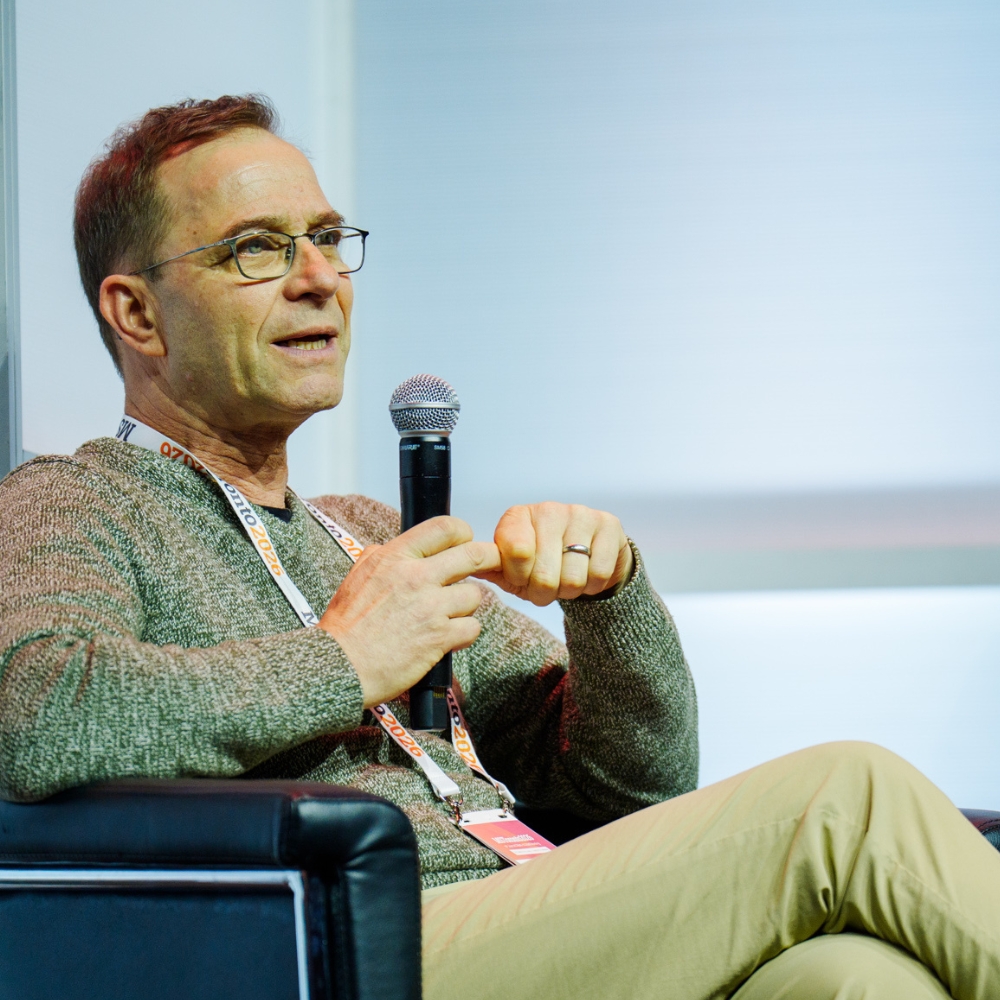
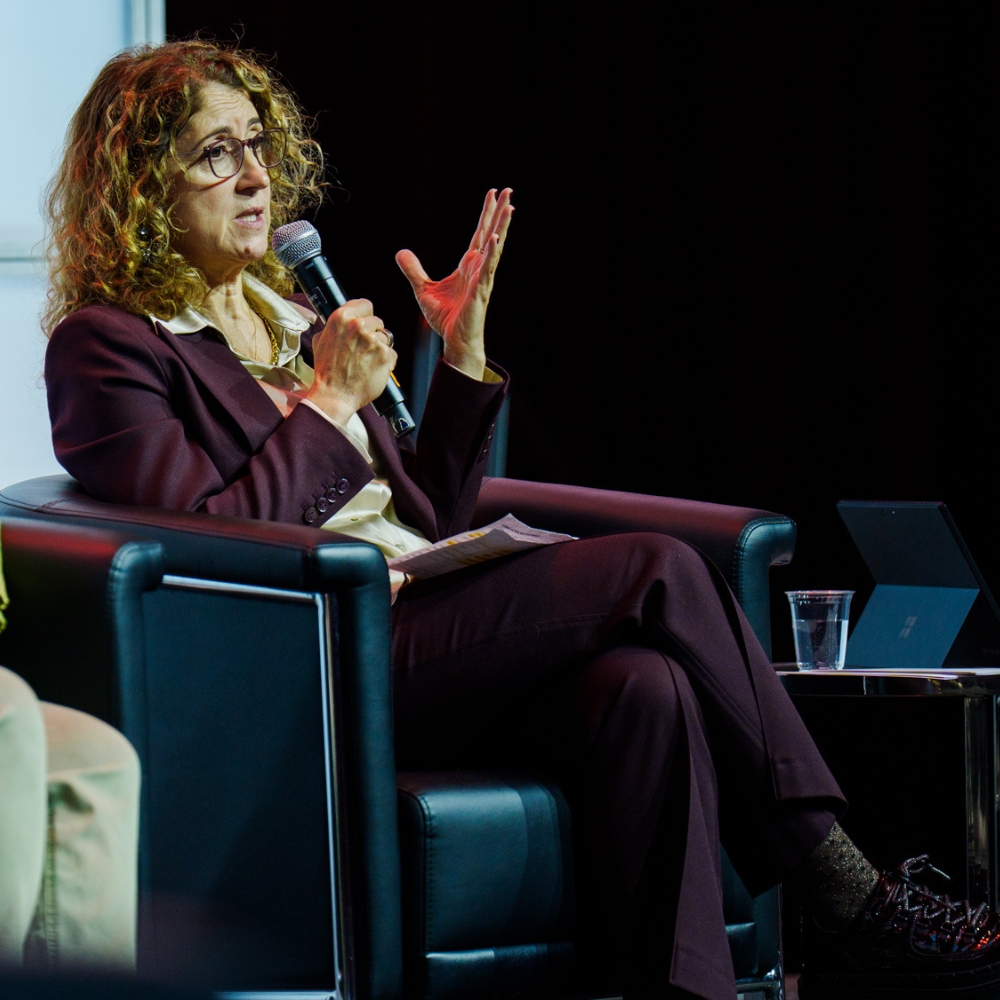
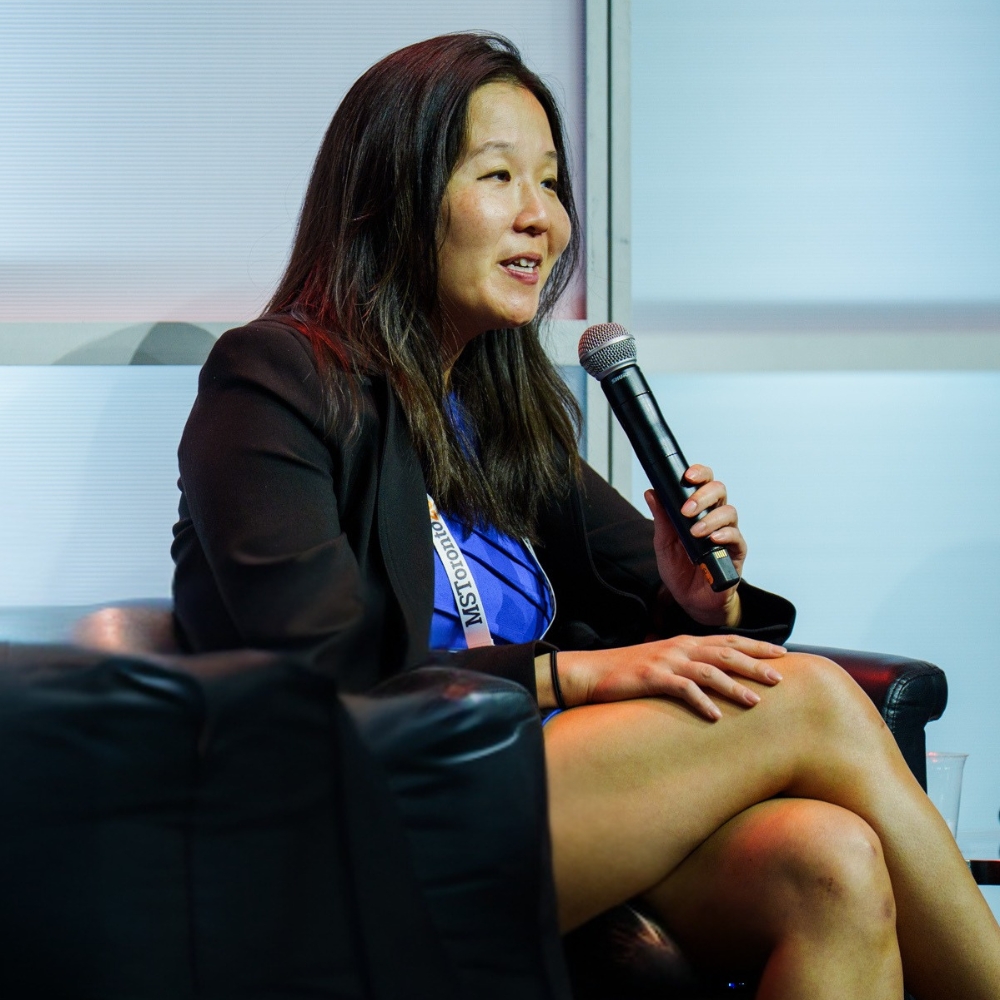
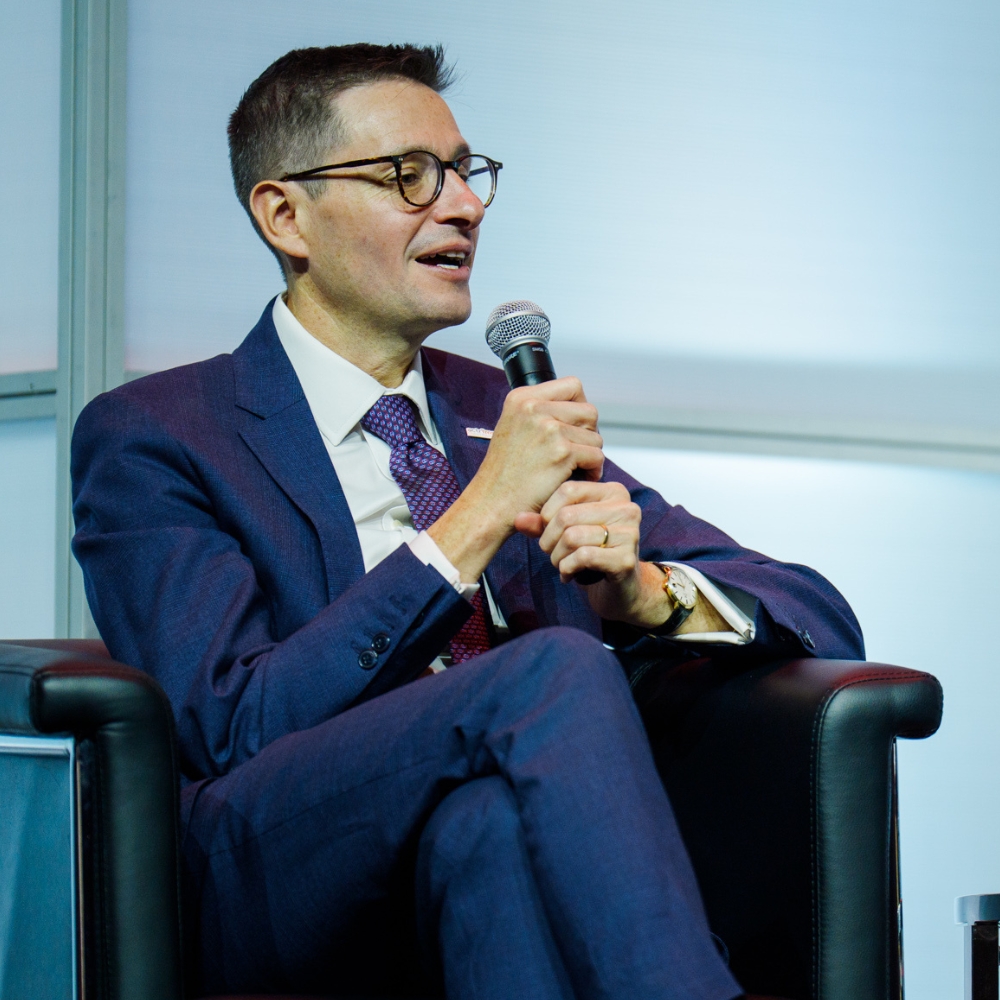
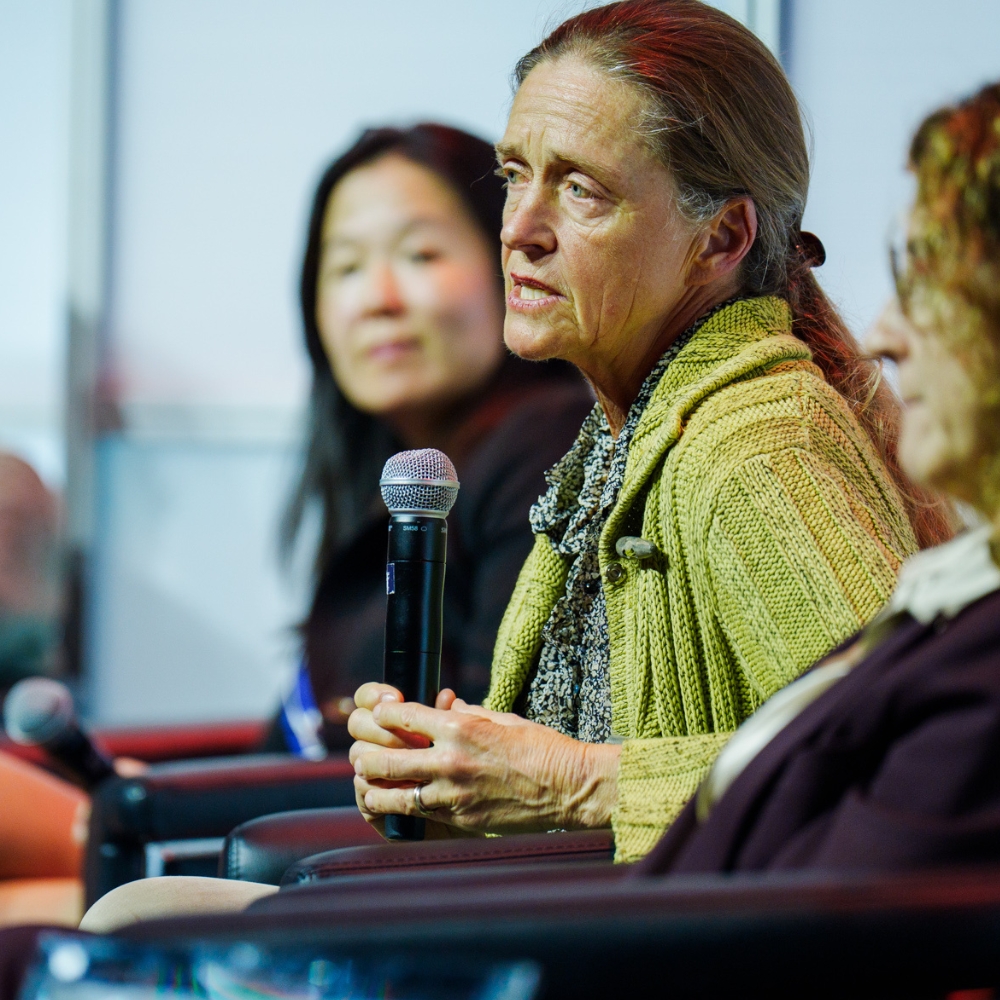

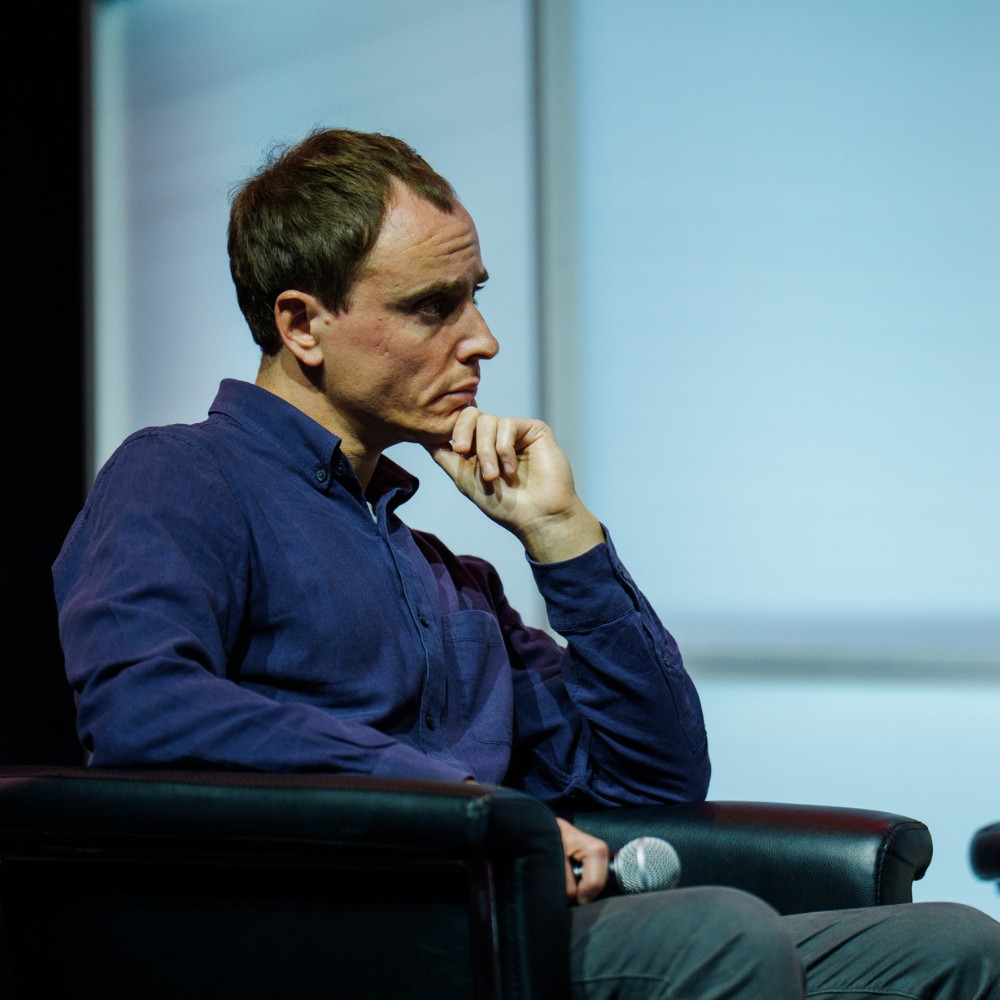

- Amit Bar-Or – Chief, MS Division, University of Pennsylvania, US
- Olga Ciccarelli – ECTRIMS President & Professor of Neurology, UCL, UK
- Jiwon Oh – Medical Director, Barlo MS Centre, CA
- Dan Ontaneda – Research Director, Mellen Center, Cleveland Clinic, US
- Emmanuelle Waubant – Neurologist, UCSF; ACTRIMS President, US
- Amy Thompson – Founder, MS Together; Lived Experience Panel, UK
- Jesse Mirsky – Overcoming MS Ambassador, Lived Experience Panel, CA
- Brett Drummond – Host & Moderator, AU
CAR T-cell Therapy: A New Frontier in MS Treatment?
Chimeric antigen receptor (CAR) T-cell therapy is an established treatment option for certain blood cancers and is now being investigated as a potential treatment for MS and other autoimmune conditions. It works by modifying T cells (a type of immune cell) to recognise and target other specific immune cells involved in driving the harmful immune response.
How Could CAR T-cell Therapy Work In MS?
- Autoimmune conditions occur when the immune system mistakenly targets the body’s own healthy tissues. In MS, this involves an immune response directed against the central nervous system, leading to inflammation and damage to myelin and nerve fibres.
- CAR T-cell therapy involves modifying T cells (a type of immune cell) to recognise and target other specific immune cells involved in driving the harmful immune response. In MS, much of the research is focused on targeting B cells, which play an important role in the harmful immune responses associated with the condition.
- The T cells are collected either from the person’s own blood (autologous CAR T-cell therapy) or, in some research approaches, from a healthy donor (allogeneic CAR T-cell therapy). They are then genetically modified in a laboratory to produce the CAR T cells used in treatment.
- Before the modified cells are infused, the person typically receives a short course of chemotherapy to reduce the number of existing immune cells. This helps create an environment that supports the effectiveness of the CAR T cells once they are infused.
- Once infused, the CAR T cells can multiply and circulate through the body, recognising and targeting the specific immune cells they have been engineered to attack, including B cells. Some approaches are also being investigated for their potential to access immune cells within the central nervous system, which may be particularly relevant in MS.
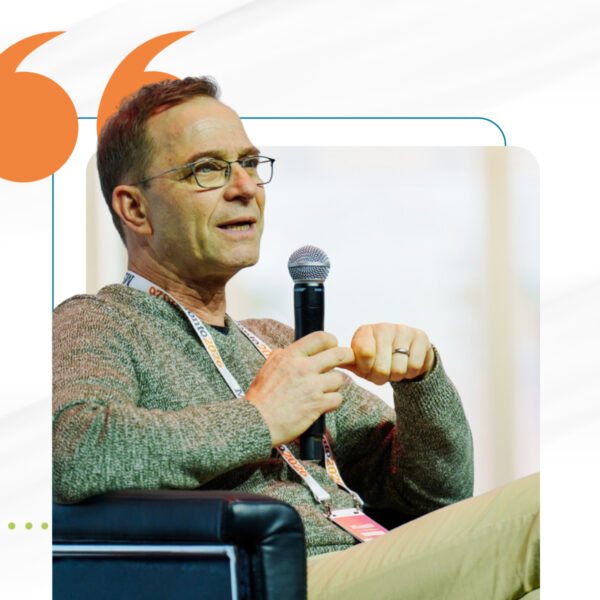
Amit Bar-Or: “The appeal of these therapies is that they could potentially address two major unmet needs. First, they may eliminate the immune cells that drive relapses while allowing new cells to repopulate, potentially providing long-lasting remission without the need for ongoing relapse treatment. Second, because these therapies can enter the central nervous system, they may also have the potential to influence the mechanisms driving progressive MS. Ultimately, the hope is that cell-based therapies could offer a new approach to treating MS.
Latest Research Findings
- Encouraging preliminary results: Although the early-phase trials presented at MSToronto2026 only involved small numbers of participants, there were suggestions of clinical benefit across the studies. However, larger studies with longer follow-up are needed to establish whether these therapies are effective.
- Important safety considerations: The risks of CAR T-cell therapy in MS are still being investigated. The therapy can trigger an increased inflammatory response, and risks may differ between the CAR T-cell approaches being tested. Chemotherapy given before the cells are administered can also cause side effects.
- An experimental treatment: CAR T-cell therapy is currently only available within clinical trials for MS. More research is needed to fully understand it’s long-term safety and effectiveness.
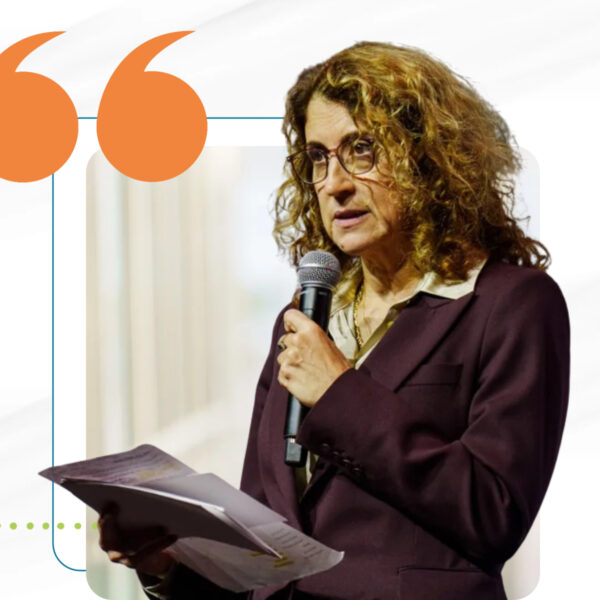
Olga Ciccarelli: “This is an experimental treatment at the moment. If people are interested in this treatment, they can only access it in clinical trials for conditions such as MS or other autoimmune diseases. But it’s a well-established treatment for people with oncological diseases. So we are borrowing it from another field of medicine.”
BTK Inhibitors: What the Latest Trial Results Are Telling Us
Bruton’s tyrosine kinase (BTK) is a type of protein that plays an important role in regulating certain cells in the immune system. These include B cells and microglia, which contribute to the damage caused by MS.
BTK inhibitors are designed to reduce harmful immune activity. They target both B cells in the immune system and microglia in the brain and spinal cord.
How do BTK Inhibitors Work?
- BTK inhibitors block the activity of BTK. Researchers hope this could help control relapses while also addressing the inflammation associated with MS progression.
- Several BTK inhibitors are being investigated for MS. Although they target the same protein, they all work in slightly different ways, which may help explain why clinical trial results have been varied.
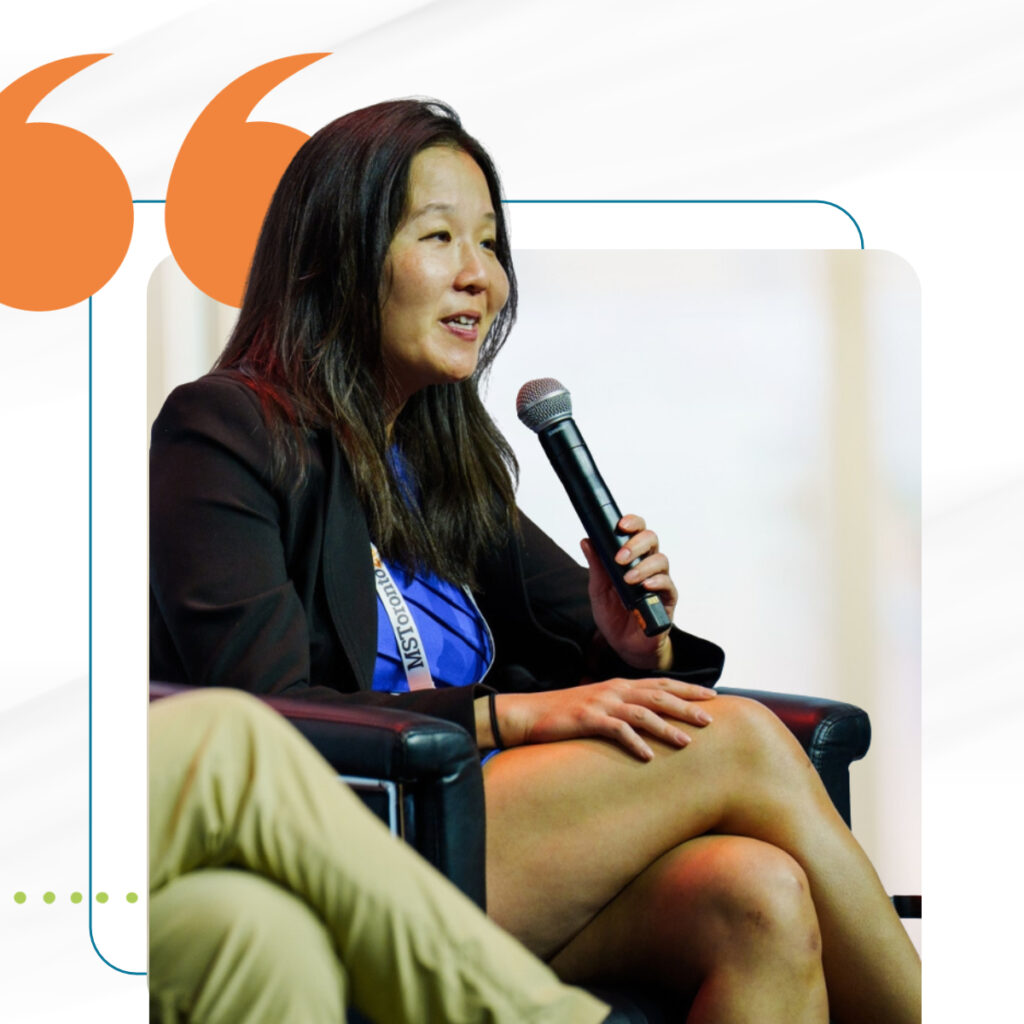
Jiwon Oh: “Many BTK inhibitors are being tested right now in clinical trials, and even more are in the pipeline. It does seem they have slight differences in how they act in people with MS, but it is really encouraging. It seems likely that at least some of these agents may, in the not-too-distant future, be another treatment option for people with relapsing or progressive MS.”
Latest Clinical Trial Results
- Tolebrutinib: Clinical trials showed a positive effect in people living with non-relapsing secondary progressive MS. In relapsing-remitting MS (RRMS), tolebrutinib did not reduce relapses more than the comparator treatment, although there were suggestions of benefit in slowing disability progression. No significant benefits were observed in the primary progressive MS trial.
- Fenebrutinib: Phase III trials reported in 2026 found that fenebrutinib could reduce relapses in people with relapsing MS. Researchers also compared it to ocrelizumab in primary progressive MS (PPMS). They found fenebrutinib was as good as ocrelizumab, which is currently the only treatment for PPMS, in slowing the progression of disability.
- Remibrutinib: A study presented at MSToronto2026 compared remibrutinib with another commonly used medicine, teriflunomide, in people living with RRMS. It found the BTK inhibitor was better at reducing relapses and new lesions on magnetic resonance imaging (MRI).
- Safety considerations: It is important to remember that all medicines can sometimes cause side effects. Other studies of BTK inhibitors found liver toxicity was a rare, but serious, side effect of the treatment. However, this was not observed with remibrutinib.
What’s Next?
Once approved, understanding how these treatments fit alongside existing options and who may benefit most will be important. This links to the topic of personalised medicine, which was discussed in Session 3 and the online Q&A. Ongoing monitoring will also help build our understanding of their long-term safety and effectiveness in a real-world setting.
Jiwon Oh: “But what was really exciting from the big clinical trial session that happened earlier today was the fourth in-line BTK inhibitor, remibrutinib, showed quite positive results in two trials of relapsing MS. Remibrutinib very clearly showed a beneficial effect on reducing relapses versus teriflunomide, as well as reducing new MRI lesions versus teriflunomide.”
Ageing with MS: Can Treatment Be Stopped Safely?
As people with MS get older, the disease can change. Younger people tend to experience more relapses and develop more new lesions on MRI. As people reach their 60s, 70s and 80s, the frequency of relapses and new lesions tends to decrease. Researchers believe this may be partly due to the natural ageing of the immune system.
This raises an important question: can people safely reduce or stop their MS treatment as they get older?
Why Might MS Treatment Needs Change as We Age?
- As people get older, MS disease activity often decreases. This raises the possibility of switching to a less potent treatment with fewer side effects (de-escalation) or stopping treatment altogether (discontinuation).
- Research is already helping neurologists and people living with MS discuss these options when appropriate, with decisions tailored to each person.
- Further research is exploring which factors influence outcomes after reducing or stopping treatment. Because disease activity can return, the aim is to identify who is most likely to benefit from these approaches safely.
- Observational studies using large databases, alongside statistical modelling and the potential use of AI, are helping researchers answer these questions.
The key takeaway: Treatment needs may change as people age, but reducing or stopping MS medication is not appropriate for everyone. Any changes should be carefully considered with a neurologist, taking into account individual disease activity, treatment history and potential risks.
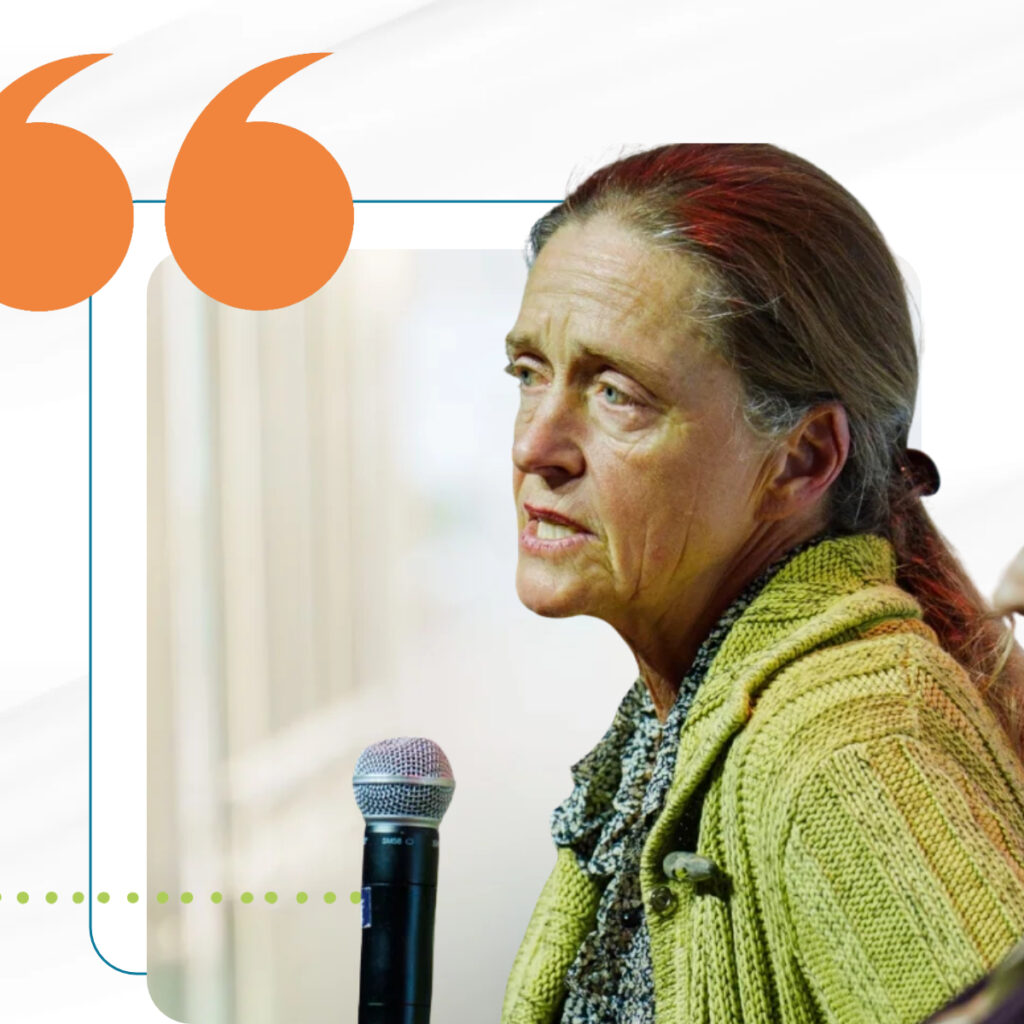
- Emmanuelle Waubant: “As people living with MS get older, we’re gaining a better understanding of who may be able to safely discontinue treatment and who should continue. We’re learning to identify the characteristics that can help guide these decisions on a patient-by-patient basis.”
Myelin Repair and EBV: Your Questions Answered
Following the expert presentations, the discussion turned to people with lived experience of MS, with Amy Thompson and Jesse Mirsky putting questions directly to the researchers. They explored two important areas of ongoing research: the possibility of repairing damaged myelin and the role of Epstein–Barr virus (EBV) in MS.
Their questions opened up a discussion about what scientists know today, what remains uncertain and what future discoveries could mean for people living with MS.
What is the latest research telling us about myelin repair?
No currently available MS treatments have been shown to repair damaged myelin, making this a major unmet need and an important research focus, discussed further in Session 3. Researchers are investigating several approaches, including promoting the process that generates cells capable of repairing myelin. Some compounds have shown encouraging signs of myelin repair in clinical trials, but clear benefits for symptoms or disability have yet to be demonstrated.
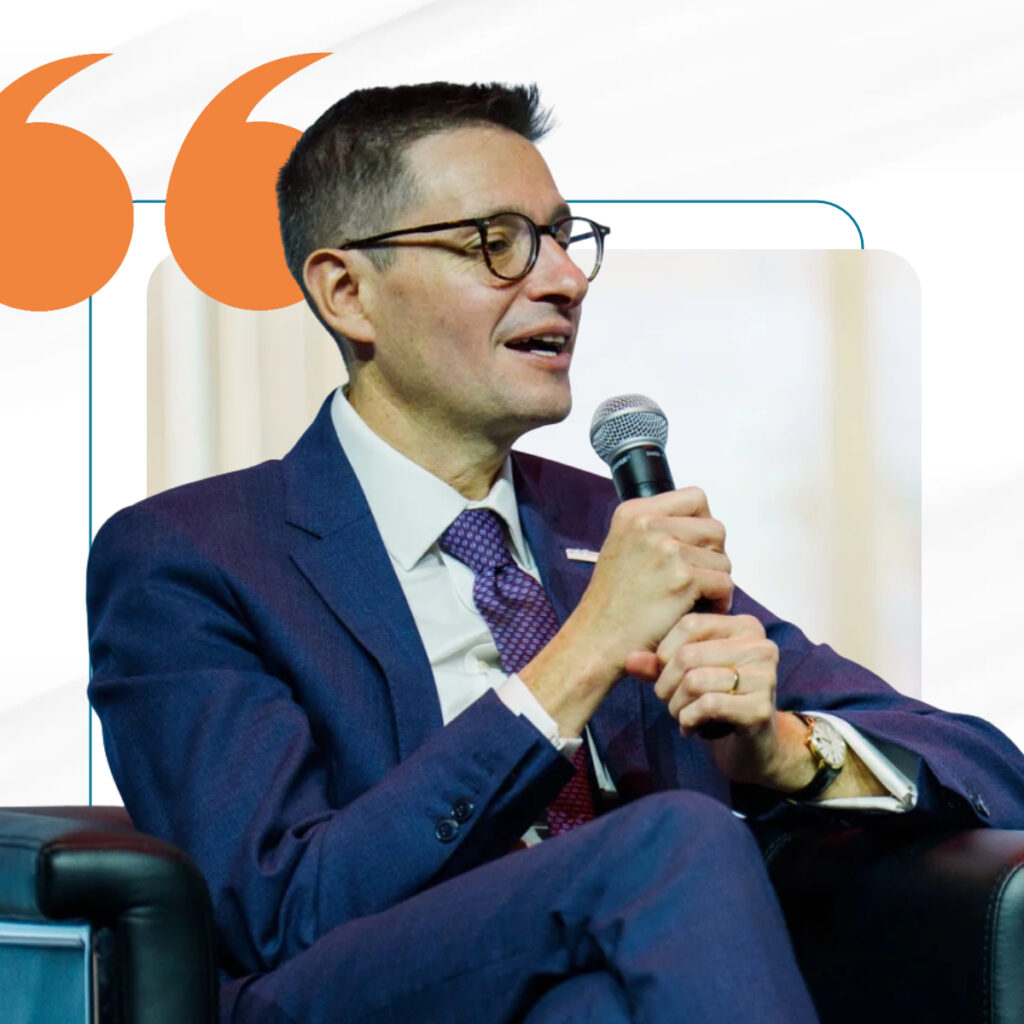
Daniel Ontaneda: “I’ve always thought of repair and remyelination as our kind of next big challenge. We’re pretty good at controlling new attacks and controlling development of new lesions in the brain and the spinal cord. What we’re not as good about is taking those lesions and trying to repair them or trying to make them go away completely, which is of course what we would like to do.”
What have we learned about the link between Epstein-Barr virus (EBV) and MS, and could this lead to new ways of preventing the disease?
The evidence linking EBV to MS continues to grow. Studies suggests that almost everyone who develops MS has previously been infected with EBV. However, EBV infection alone is not enough, as most people who contract the virus never develop MS. Recent data also suggests that EBV may contribute to disease activity.
This link between EBV and MS raises the possibility that preventing EBV infection, for example through vaccination, could prevent MS in the future. This remains theoretical. Directly testing whether a vaccine prevents MS would be extremely challenging and require many years of follow-up. A more practical first step may be to develop a vaccine to prevent infectious mononucleosis (glandular fever), then monitor whether MS rates also fall over time.
Amit Bar-Or: “It does appear as though you essentially cannot get MS if you have not been exposed to EBV. So that means it’s required. But since most humans do get exposed to EBV and most people do not get MS, it’s clearly not sufficient on its own. So required but insufficient is the way to think about EBV in terms of developing MS in the first place.”
 Watch the Full Conversation
Everything you’ve read here comes to life in the Session 1 video available on YouTube.
Hearing the experts speak directly about the latest developments across the patient journey adds valuable depth to the themes outlined in this report, offering a clearer sense of how these insights connect to real-world patient needs and emerging priorities in care.F